

CHINESE INTANGIBLE CULTURAL HERITAGE · 非物质文化遗产
Living Crafts of China
中国非遗手工艺
Thirteen hand crafts from two regions: four from the mountains of Guizhou, on China's national heritage list, and nine from the port city of Dalian, from lacquer and enamel wire to leather, glass and thread. Yuanix brings them to European buyers as a curated partnership, not a marketplace listing.
1,557 items on China's national intangible heritage list · 90,000+ recognised inheritors (传承人) · 44 elements on UNESCO's heritage lists, the most of any country. All figures as of early 2025.
For European partners
Why we offer these crafts in Europe
European brands, shops and corporate buyers keep telling us the same things: they want products that stand apart, an origin they can prove, and a social story that holds up. Factory catalogues can't give them that. These handmade skills can, if they are adapted to European products and delivered reliably. That is the work Yuanix does.
Products no one else has
Handwork is hard to copy. Motifs, colours and formats can be developed for your label, in small runs.
An origin you can prove
Named makers, a documented method and, for the Guizhou crafts, an official national listing number. That gives your buyers something specific to check.
Social impact with substance
Most makers are women in rural communities. Orders go to real people, and the training-to-income route is documented.
Made to a European brief
We adapt fabric, palette, sizing and finish to European taste and EU rules, so you get a product a shop can sell, not just a souvenir.
Yuanix × ROV · our partners
How Yuanix differs
A curated commercial partnership for distinctive cultural products.
Alibaba
A broad supplier-search and transaction environment. Buyers compare products and manage product selection, supplier coordination and brand differentiation themselves.
Yuanix + ROV
We develop a controlled route from selected makers to a European offer. Craft provenance, product refinement and customisation work together for a specific buyer or corporate client.
Why partnerships with women's federations matter
A long-term route that connects women's skills, local products and market access.
Credible local access
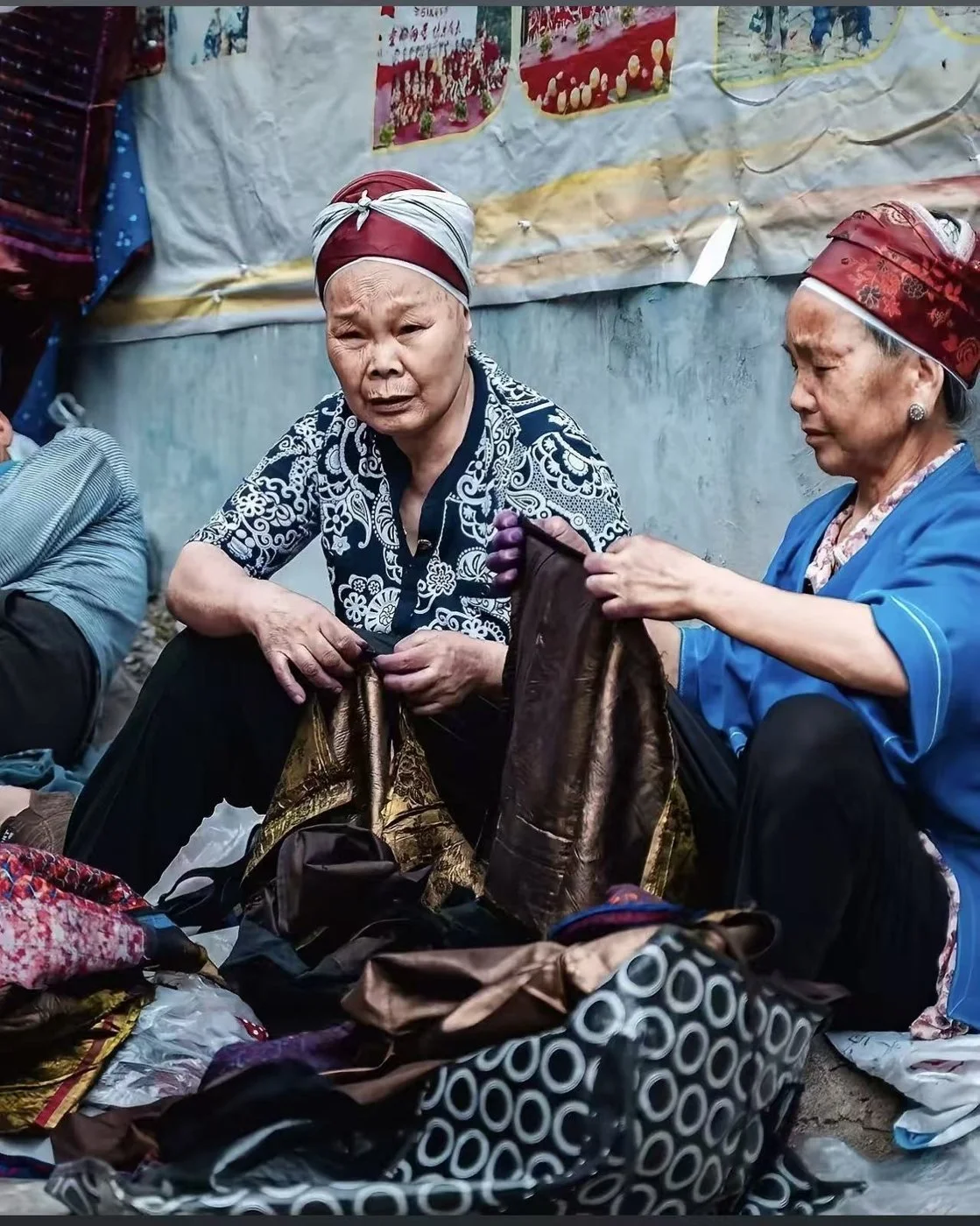
Partnerships with women's federations and local organisations connect us with real makers, women producers and community craft resources.
Skills that can become income
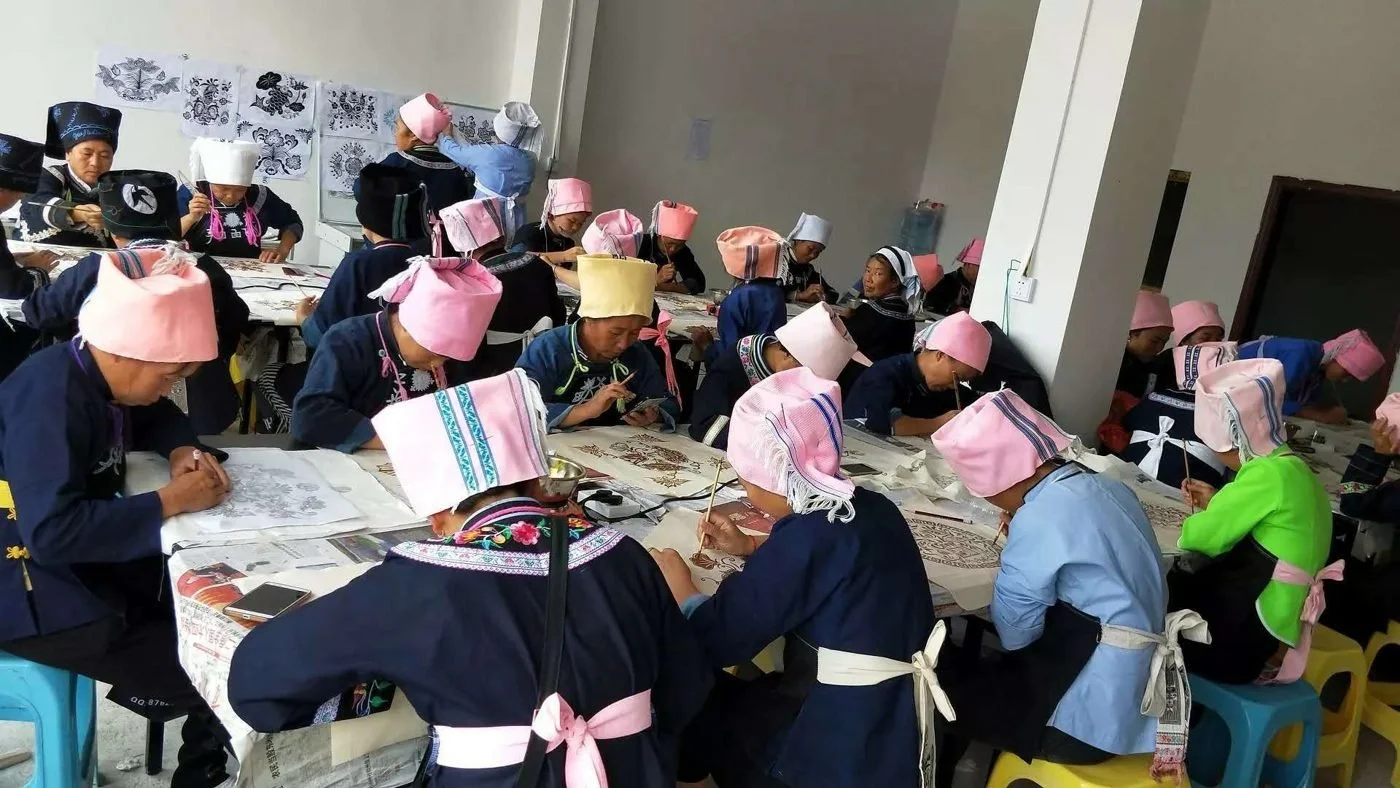
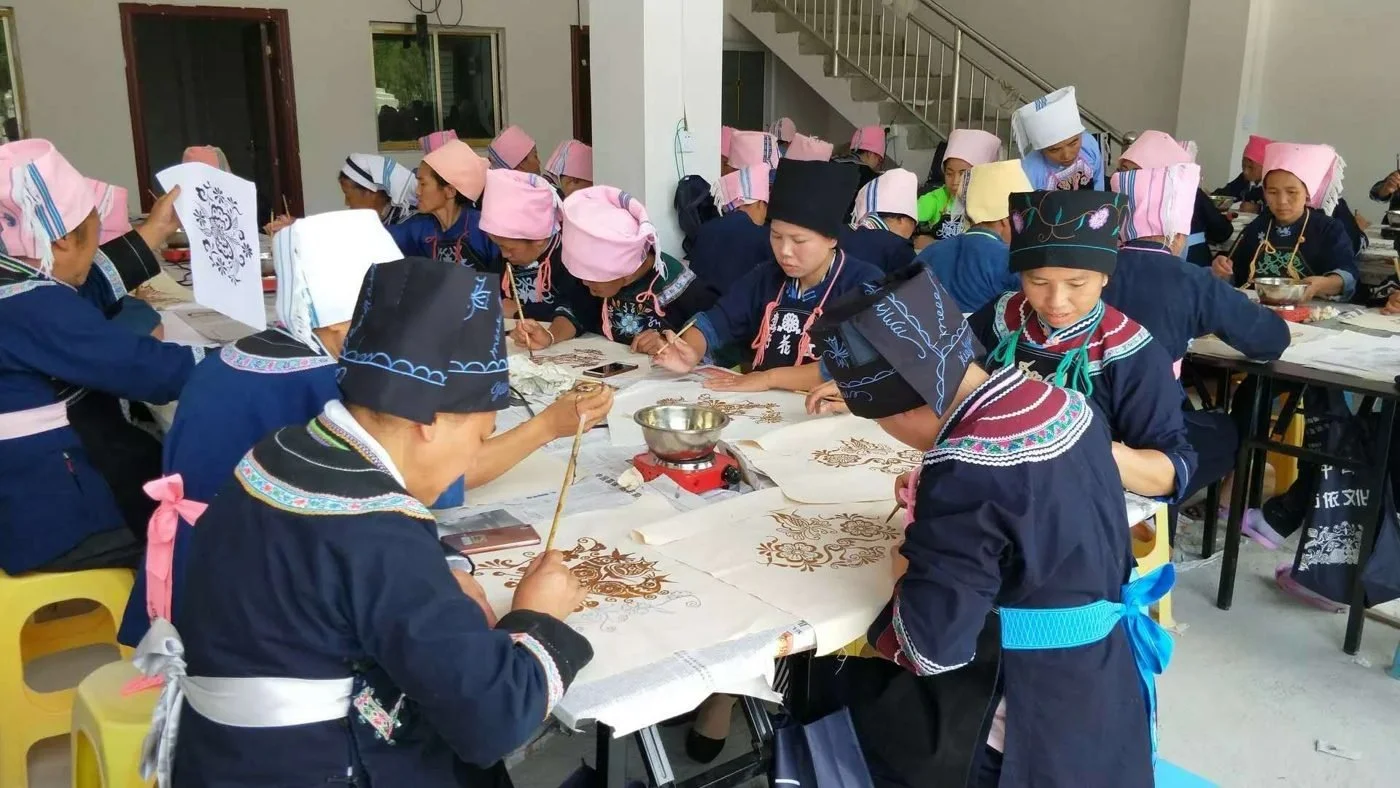
Training can cover product development, basic branding, content creation, live selling and e-commerce operations, helping women turn skills into selling capability.
A social story that stands up to scrutiny
We can document the product's origin, the people involved and the training-to-market route. This gives partners a credible cultural and social narrative.
The aim is market readiness and income, built on real skills and real local participation.
Training in practice
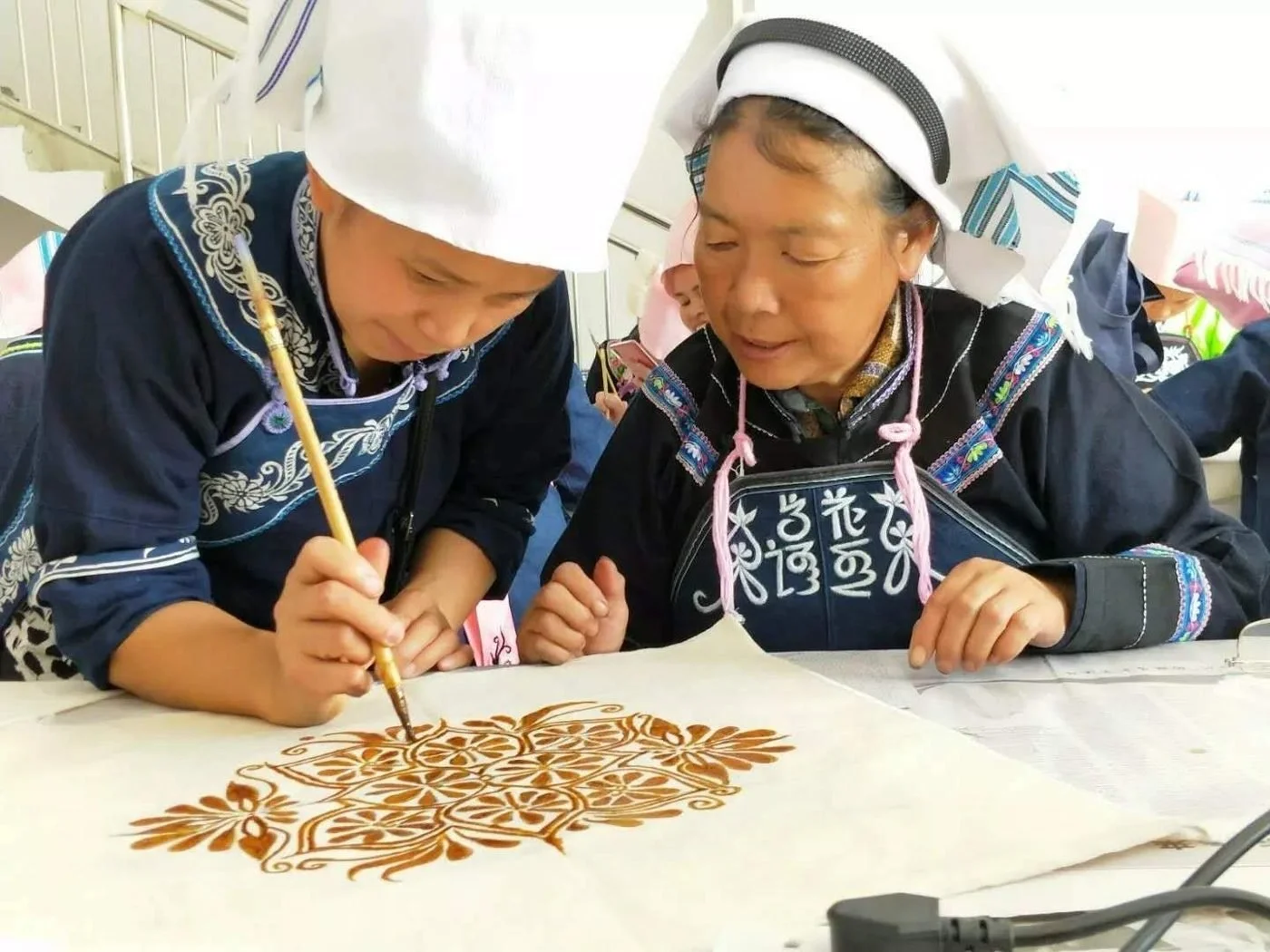
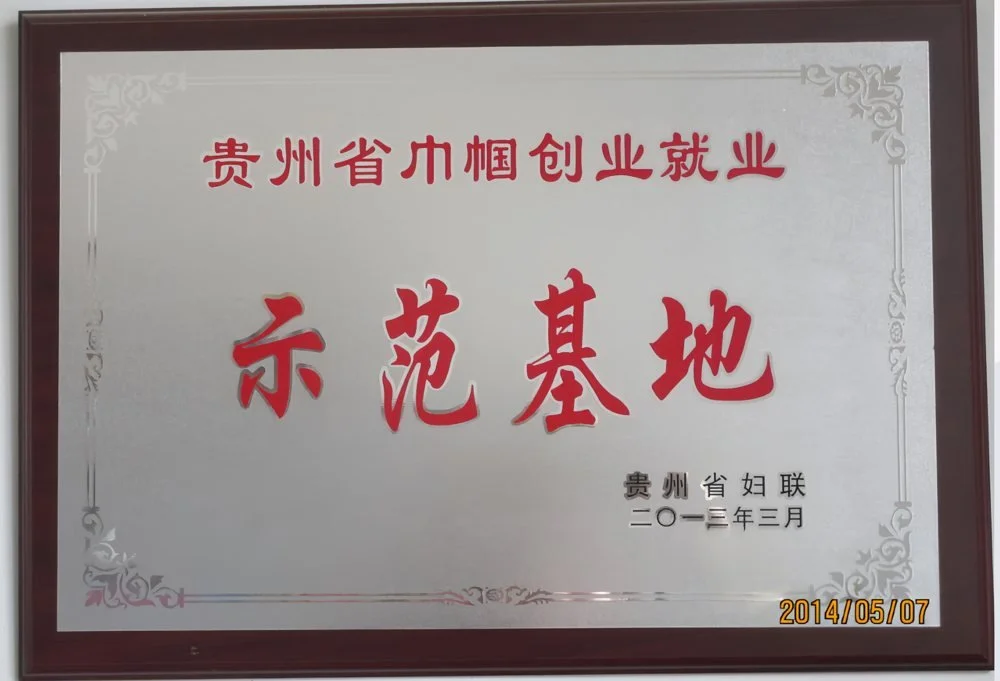
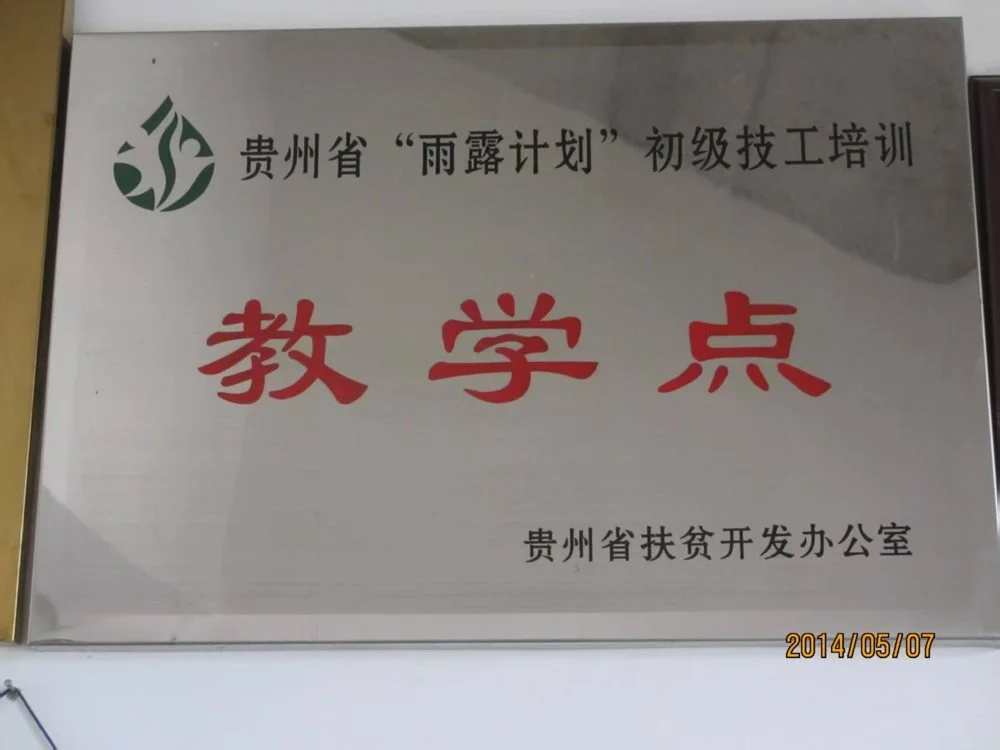
We train women in practical, income-generating skills and help them build the confidence to use those skills independently. The programme then supports the journey from making a product to selling it online: product development, basic branding, content creation, livestream selling and e-commerce operations. For women in lower-income or rural communities, this turns local skills, crafts and products into market-ready goods and a route to sustainable income.
Heritage craft × corporate customisation
How European partners use these crafts
Each craft can carry your logo, colours and story. Below: what we customise and where it is used, from uniforms and team merch to client gifts and hotel textiles.
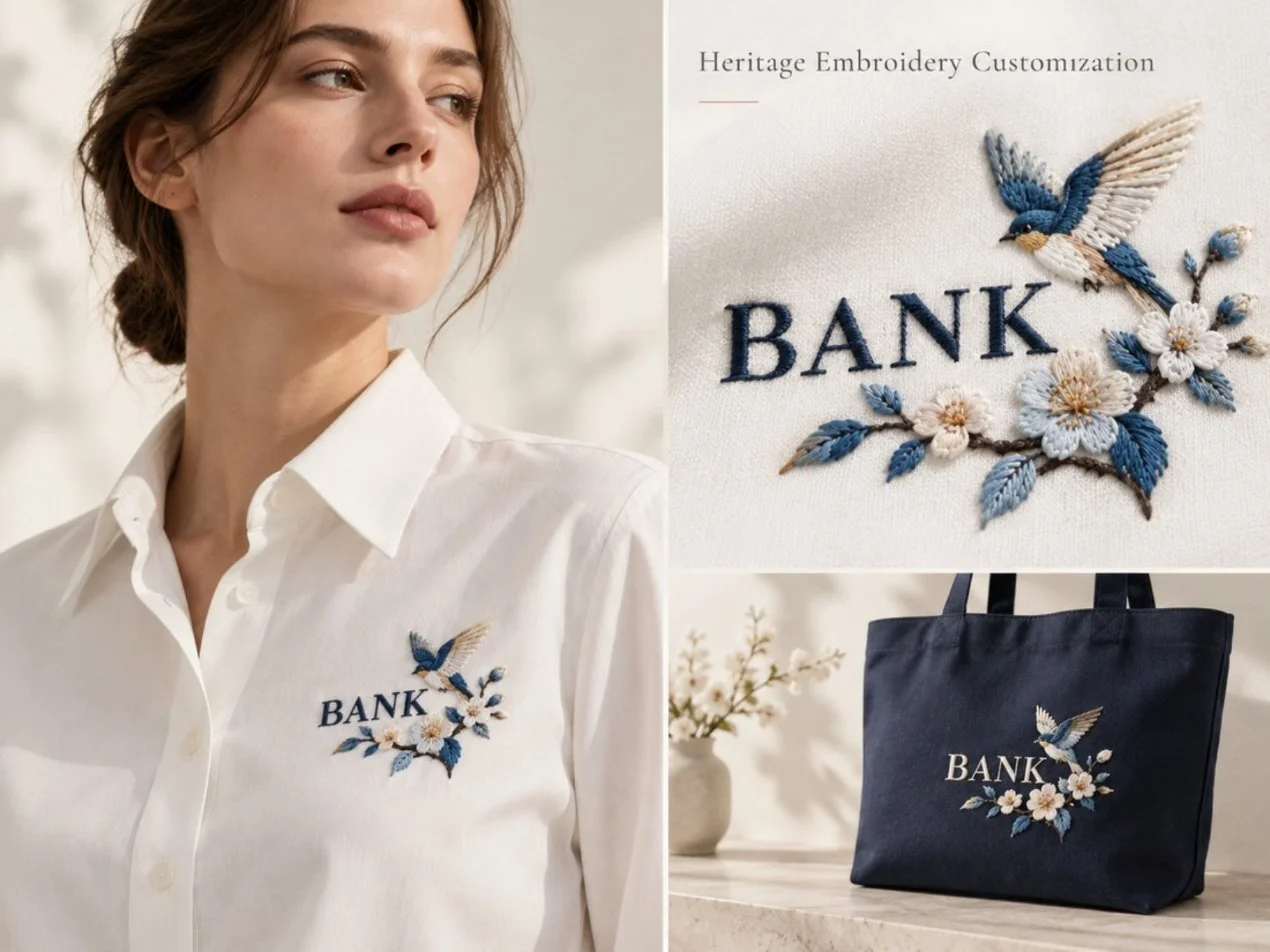
01 · Hand embroidery 刺绣
Your logo, stitched by hand
We customise: logo in hand stitch, brand colours, heritage motifs (flowers, birds, myths).
Lead time: about 20 days (Miao hand embroidery).
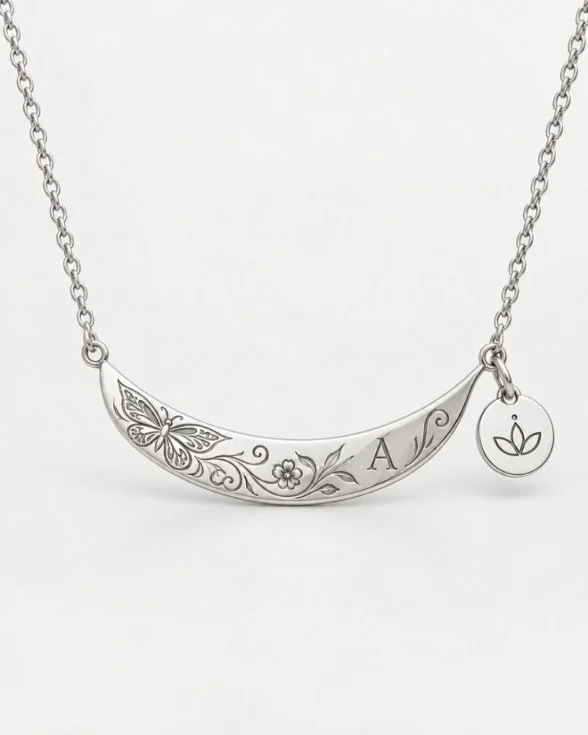
02 · Miao silver 苗族银饰
Heirloom silver, engraved for your brand
We customise: logo or initials engraved, heritage motif of your choice, a name per piece, gift box & craft story card.
Lead time: about 20 days. Handmade in 800‰ silver; a silver-plated alternative is available.
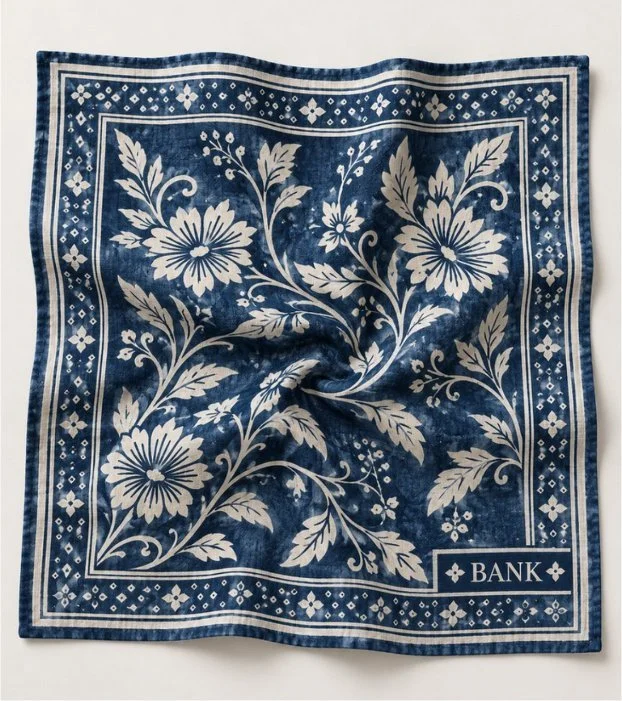
03 · Fengxiang resin dyeing 枫香染
Indigo patterns that carry your story
We customise: your logo or motif worked into the resin pattern, dyed in natural indigo.
Lead time: about 20 days.
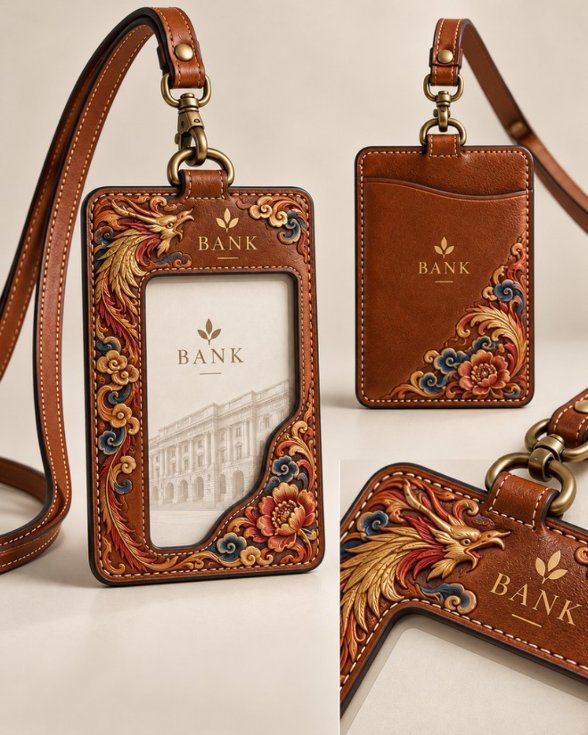
04 · Hand-carved leather 皮雕
Carved leather for daily brand touchpoints
We customise: client logo carved in relief, hand dyeing in brand colours, a name or monogram per piece, gift box & craft story card.
Lead time: about 2 weeks (e.g. 50 pieces).
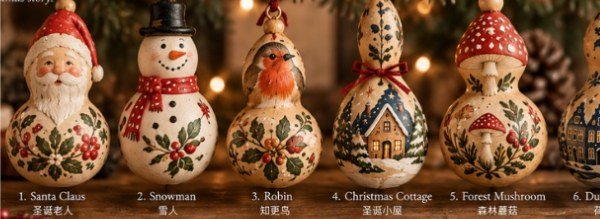
05 · Gourd pyrography 葫芦烙画
Seasonal gifts with a natural story
We customise: logo or year burnt in, hand-painted brand palette, cord in brand colours, gift box & story card. Burnt-in designs will not fade or peel like paint.
Lead time: about 20 days. Size 18–20 cm.
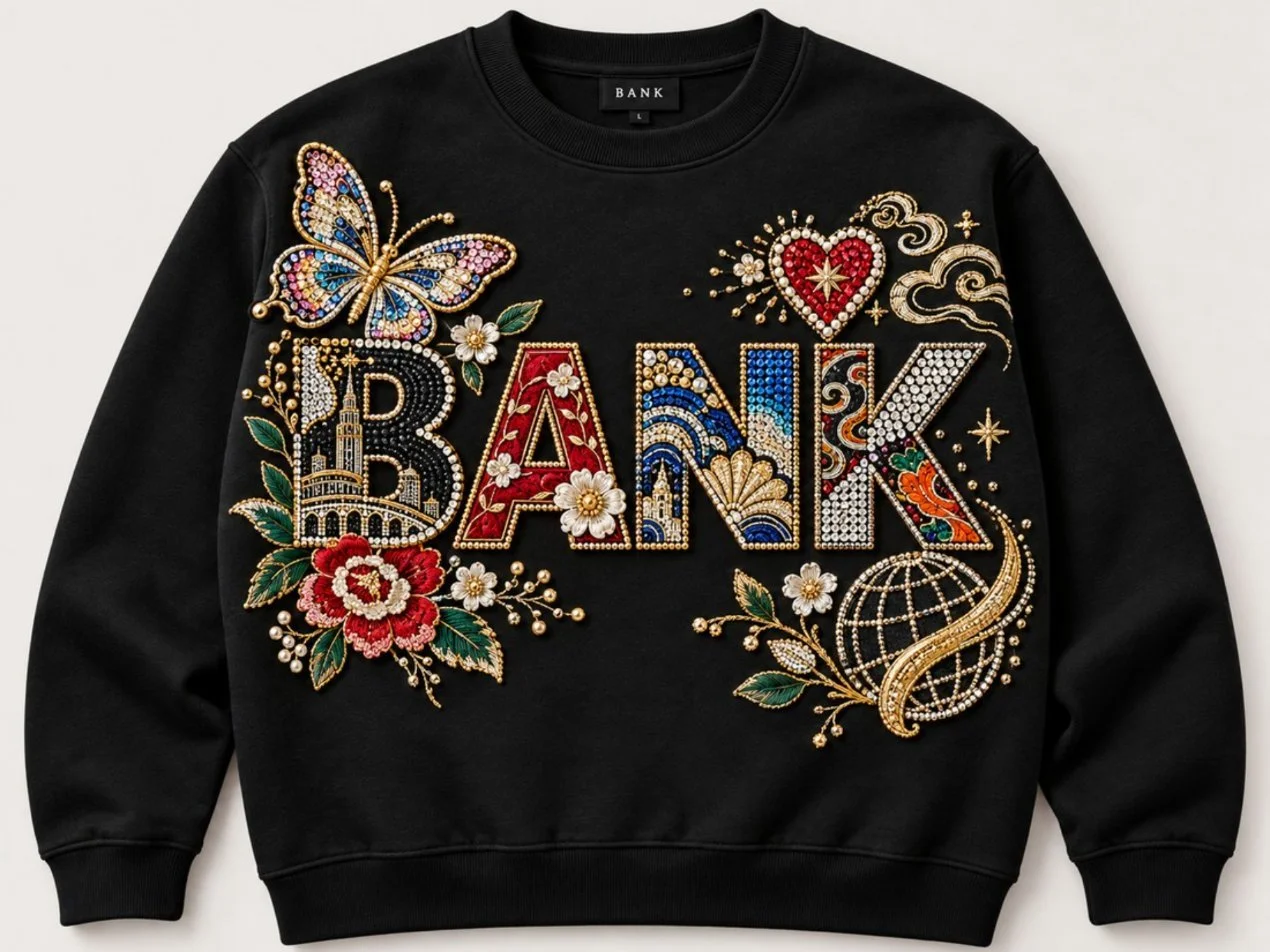
06 · New technique · Sequin heat transfer 亮片烫画
Bold, shimmering logos that last
We customise: logo in sequins, brand colours. Bonded with heat and pressure at our partner factory, so the design holds through wear and washing.
MOQ from 100 pieces.
Mock-ups use a sample client logo ("BANK") for illustration. Prices depend on materials, quantity and the artisans' schedule; ask us for a quote.
Buy a ready range
Select from existing pieces for wholesale or a pop-up.
Co-develop a collection
Your brief, our makers: sample, test, refine.
Corporate gifts with a story
Custom motif or logo, with an origin card for each piece.
Workshops & live demos
Makers at your fair, store or company event.
Made together in Europe
Chinese heritage crafts and European partners, side by side
Heritage crafts from China have already travelled. Four public examples, all built on Miao embroidery, show how.
Marni with Miao makers
Marni's creative director Francesco Risso worked with Miao communities on a collection carrying their embroidery, lace, pleating, weaving and silverwork into modern pieces. The makers came from the mountain regions of southern China, Guizhou among them. It sold in Marni stores in China and at selected boutiques worldwide.
Voyageuses Paris
A Paris label started by a former Hermès professional after 15 years at the house. She travelled to Guizhou, joined local workshops and lived alongside villagers to learn what the patterns mean and how they are made. The label now brings Miao embroidery and batik into contemporary pieces, including lambskin accessories made from traditional skirt embroidery.
The brand's own account, which also reports a first prize at the Jingji Awards. Voyageuses Paris
Shiatzy Chen in Paris
The house showed an Autumn-Winter 2025 collection with ten Miao stitching techniques, made with seven heritage artisans. The relationship began over a decade earlier, when the founder met twelve Miao embroiderers in Guizhou. They were later invited to the brand's atelier in Shanghai to exchange with Su embroidery makers. Tin embroidery was applied to leather for the first time.
Miao embroidery at Milan Fashion Week
Embroiderers from Guizhou, among them Shi Chuanying of Taijiang County, brought two traditional costumes and ten embroidered pieces to Milan. Seventeen embroiderers worked on the pieces. The Chinese Consulate General in Milan and the Guizhou provincial government co-sponsored the showing.
What the examples have in common
Relationships take years
Shiatzy Chen's began more than a decade before its Paris show. The Voyageuses founder learned in the workshops first and designed second.
The technique meets a new material
Both Paris houses took Miao embroidery onto leather. The stitch stays; the object it decorates changes to suit the customer.
Local institutions open doors
The Milan showing was co-sponsored by a consulate and a provincial government, and Shiatzy Chen worked through a partnership with Guizhou's government.
These four are third-party examples from public reporting, not Yuanix projects. Beyond Miao crafts, Dior (Nanjing velvet flowers) and Fendi (Yi embroidery) announced heritage-craft collaborations in 2023 for their 2024 collections (Dao Insights).
How Yuanix works with makers
From first sample to the European shelf
It starts with the people who hold the skill, and with a clear brief on what European customers will wear, carry and give.
Before the first stitch: three questions
Fabric
Fibre, weight and hand-feel matched to the target customer, with a clear view on natural-fibre content and whether OEKO-TEX or GOTS labels are expected. Just as important is how well the cloth takes and holds the dye or the resist.
Pattern
Colour palette, how dense or simple the motif should be, seasonal colour, and symbols that need care in a European context. The aim is a pattern that keeps its heritage identity and can still be read and loved by a European buyer.
Stitch and make
What the finished piece is, which stitches and sewing methods carry it, and how sizing and cut suit European customers. Handwork has to join up with repeatable production, so the sample is a product a shop can sell and not only a demonstration piece.
Then a loop, not a leap
- BriefA written European market brief covering fabric, pattern and make.
- SampleThe maker studio produces the first pieces to that brief.
- TestPieces are shown to buyers and consumers, ideally at a European trade fair.
- RefineFeedback shapes a second round of pattern and stitch changes.
The order matters. One craft and one well-documented case come first; real samples, buyer feedback and orders come before any move to scale.
Design directions in progress
Early visual studies for products that could come out of this process: indigo cloth, embroidery on leather, and silver detail. They show direction, and finished samples will differ.
Reference
The thirteen crafts in detail
Method, materials and provenance for each craft, for buyers who want the full background.
A craft is protected by naming the people who carry it
China lists intangible heritage in tiers: county, city, province, then the national list. Each listed craft comes with named inheritors, the masters who are recognised for keeping the technique alive and teaching it on.
The four Guizhou crafts below all sit on the national list, entered in its first batch (2006) or second batch (2008). Each has an official project number, a defined home region and a documented method, which is what makes them possible to describe, verify and trace.
The nine Dalian crafts that follow are described as their makers document them. The level at which each is listed (city, province or nation) is not stated on this page.
Guizhou贵州
In the mountains of south-west China, Miao, Buyi and Yao makers work cloth and silver by hand. Four crafts follow, all on the national heritage list: embroidery, batik, Fengxiang dyeing and silver.
Miao Embroidery
苗绣Costumes that carry a people's history in thread.
Miao embroidery is worked onto festival dress, aprons, baby carriers and ceremonial cloth. The national database describes it as a living historical record of Miao heritage, with each region holding its own motifs and stitch vocabulary.
Listed regional schools include Leishan, Taijiang, Jianhe and Huaxi in Guiyang, with related traditions in Songtao (Guizhou) and Xiangxi (Hunan). In Taijiang, embroidery has grown into a local industry: families run costume businesses, and buyers overseas now order the work, particularly around Christmas.
Signature techniques
Stacked embroidery (堆绣, dui xiu) is the technique the national listing singles out. Pieces of silk ribbon are folded and layered onto the garment, building orderly geometric compositions out of many small triangles.
Alongside it, Miao makers work in flat stitch (平绣), braid stitch (辫绣) and crepe stitch (绉绣). Butterflies and peonies are among the motifs that recur.
- Chinese name
- 苗绣
- Category
- Traditional fine arts (传统美术)
- National listing
- 2008, second batch
- Project no.
- Ⅶ-22
- Listed schools
- Leishan, Taijiang, Jianhe, Huaxi, Songtao, Xiangxi
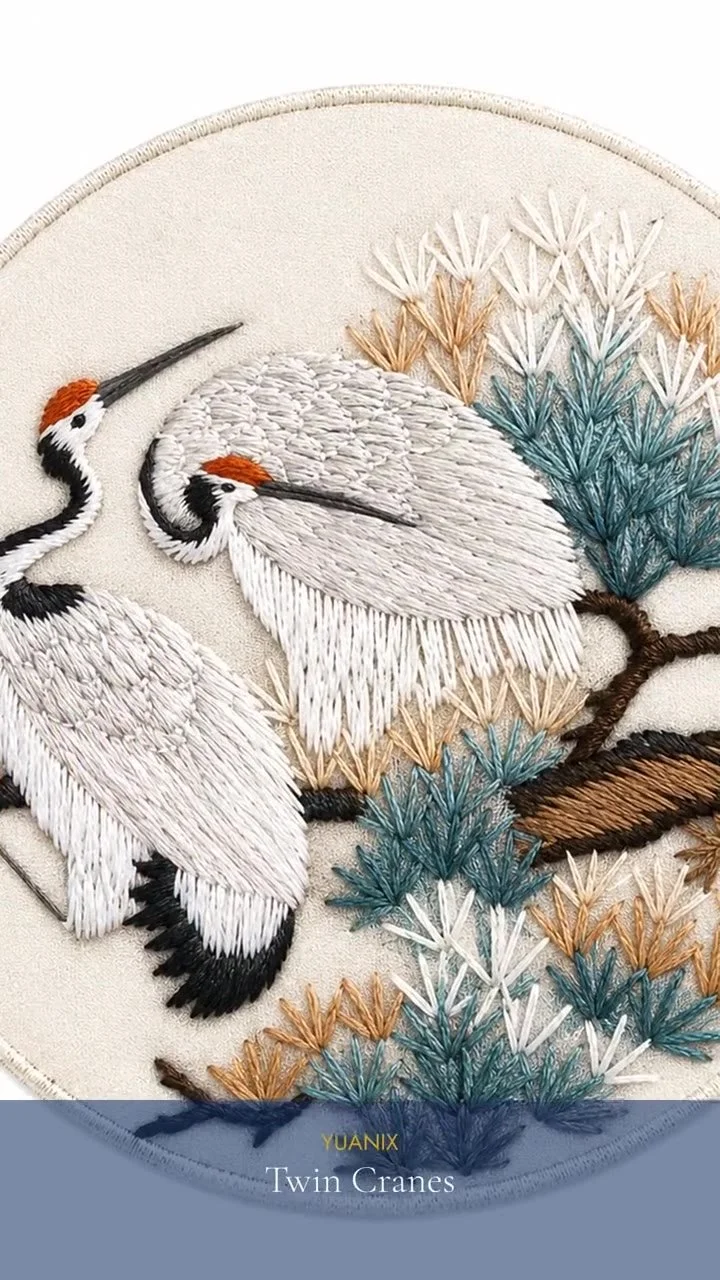
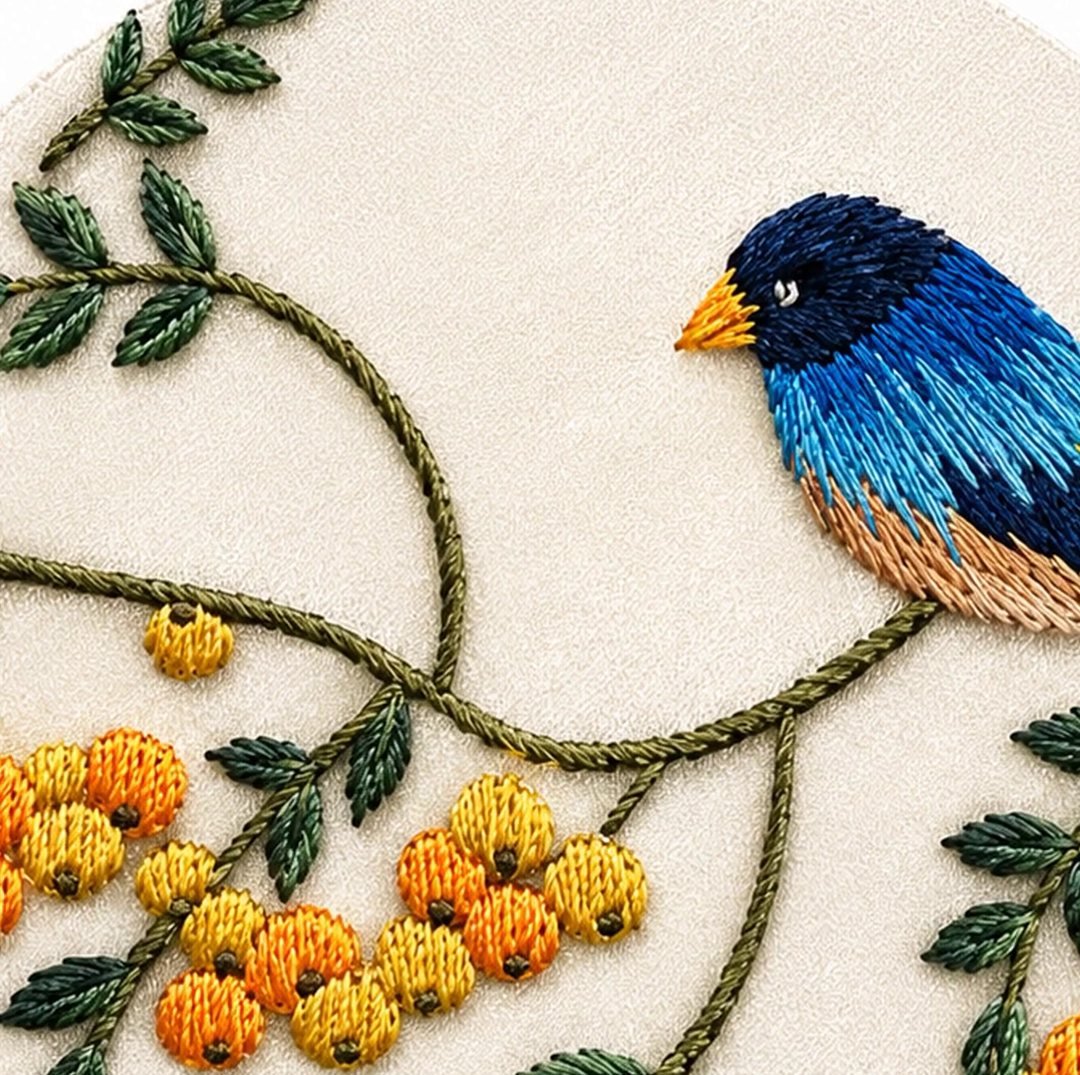
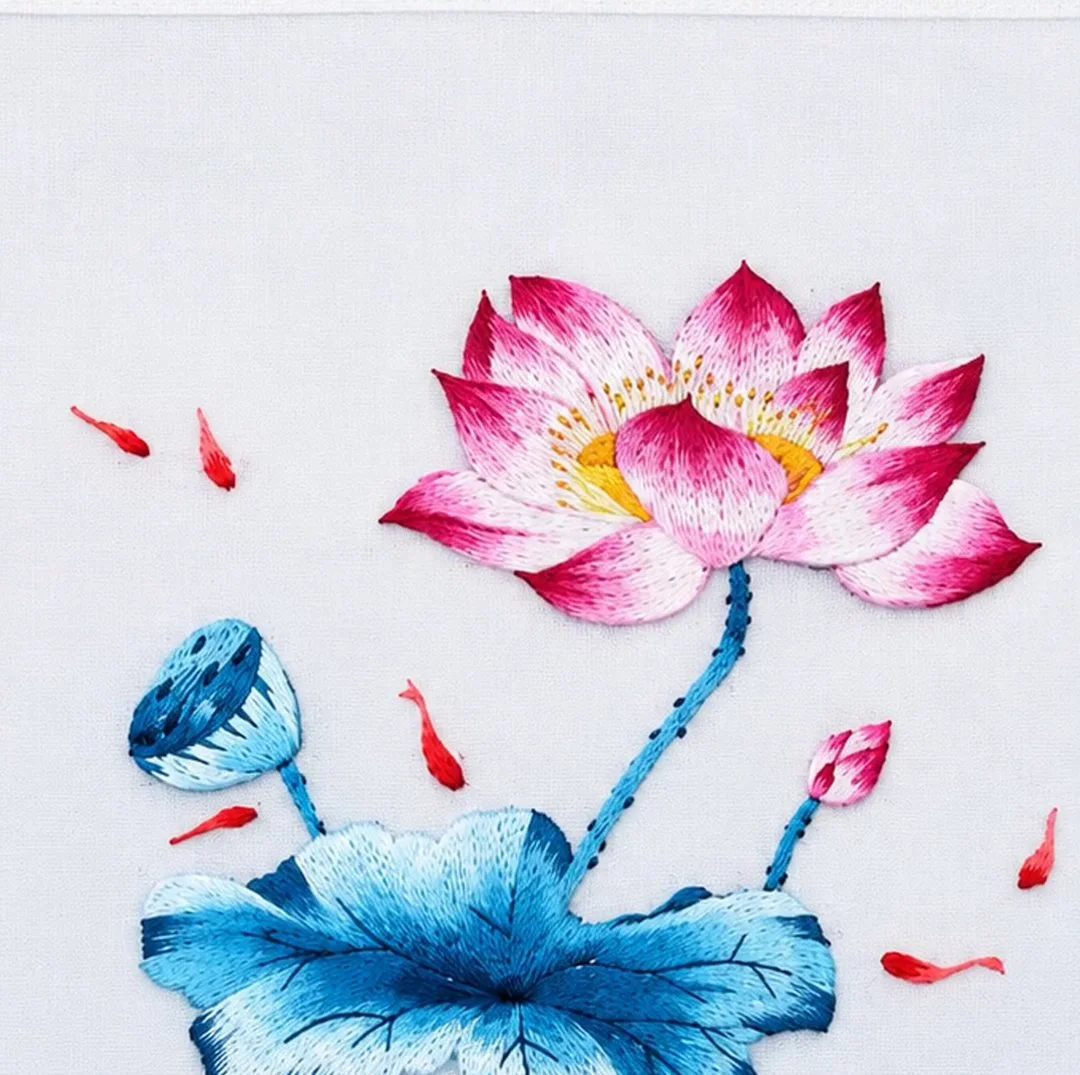
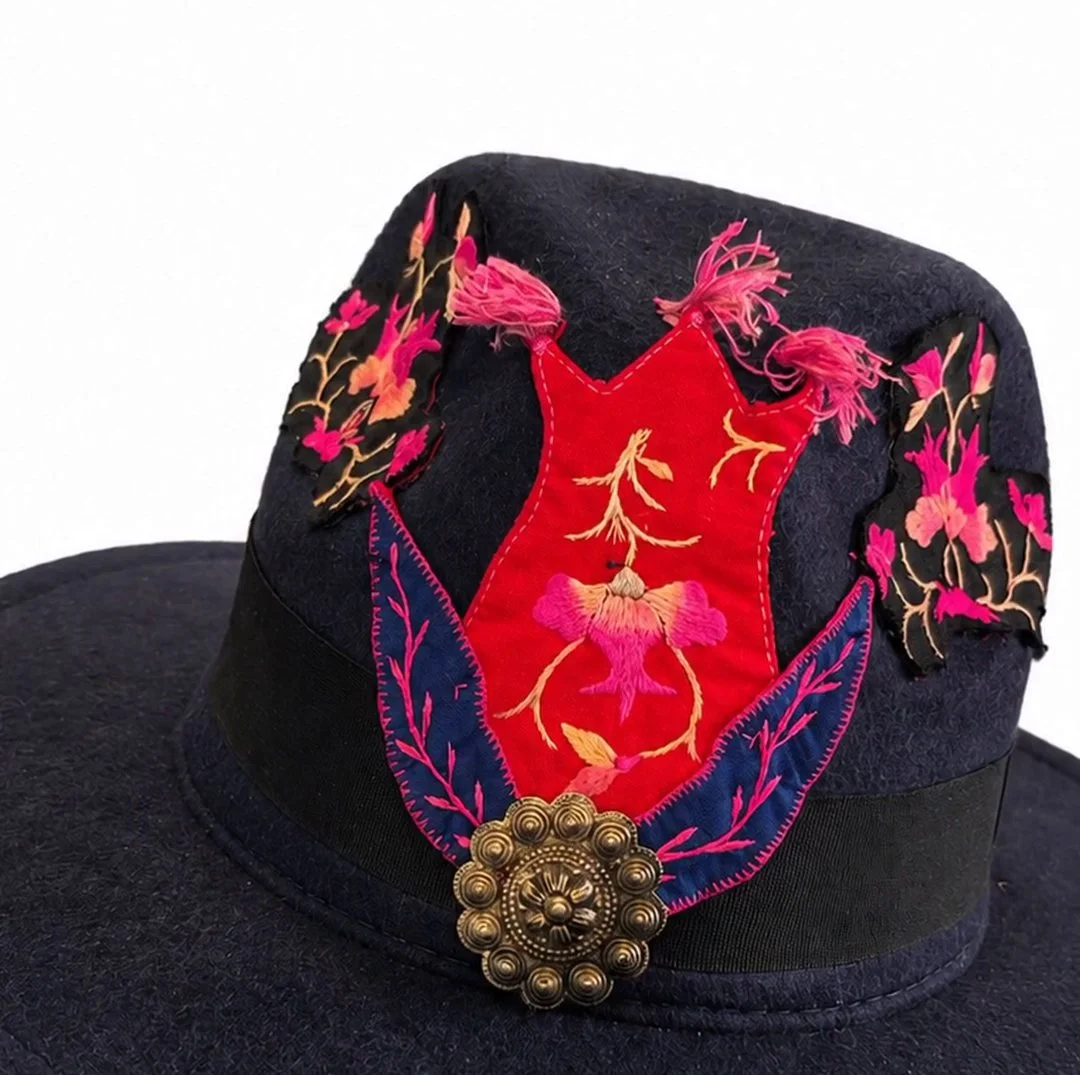
From the Yuanix range
Miao Batik
苗族蜡染技艺Draw in wax, dye in indigo. What stayed white is the drawing.
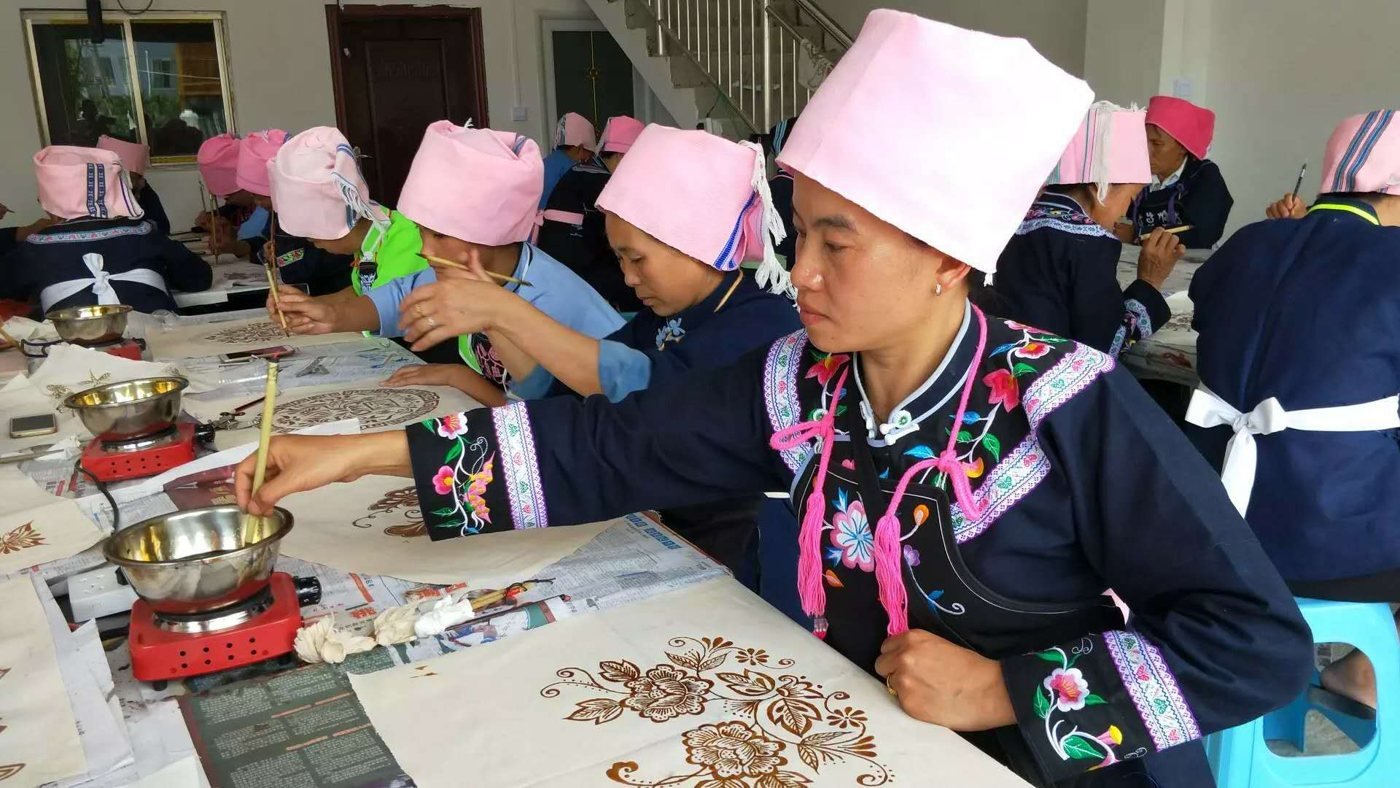
Wax protects the cloth wherever it lands, so the dye can only reach what is left bare. The result is a pattern that appears in white against deep indigo blue, with no printing and no stencil.
Each area has a recognisable hand. Danzhai is known for bold, expressive florals and adds red and yellow from madder root and gardenia. Anshun leans to geometric arrangements. Zhijin is known for white spirals and dense, fine geometric detail.
How it is made
- Treat hand-woven cloth with an alkaline wash
- Melt beeswax (黄蜡) over gentle heat
- Draw the pattern in hot wax with a copper stylus (铜刀)
- Dip the cloth in an indigo vat (蓝靛), repeatedly, to build depth
- Boil the cloth to melt the wax away
- Rinse and dry
- Chinese name
- 苗族蜡染技艺
- Category
- Traditional craftsmanship (传统技艺)
- National listing
- 2006, first batch
- Project no.
- Ⅷ-25
- Listed regions
- Danzhai, Anshun, Zhijin
- Materials
- Beeswax, indigo, hand-woven cloth
Fengxiang Dyeing
枫香印染技艺No beeswax here: a resist made from tree resin, brushed on by hand.
Fengxiang dyeing is a cousin of batik with its own materials. Aged resin from the fengxiang tree (枫香, Liquidambar) is heated with cattle fat (牛油) and filtered into an oil, which is brushed onto hand-woven cloth as the resist before the cloth goes into the indigo.
In the national listing, this craft is held by Buyi makers in Huishui County and Yao makers in Majiang County. The Huishui tradition reaches back more than 150 years in Qing-era local records, and in Majiang the patterns carry Yao customs and everyday life. It is a rare craft today, which is part of why it is worth telling.
How it is made
- Heat aged fengxiang resin with cattle fat, then filter into an oil resist
- Brush the pattern onto hand-woven cloth
- Submerge the cloth in indigo dye
- Boiling water strips the oily resist away
- Rinse, dry and press
- Chinese name
- 枫香印染技艺
- Category
- Traditional craftsmanship (传统技艺)
- National listing
- 2008, second batch
- Project no.
- Ⅷ-108
- Listed regions
- Huishui (Buyi makers), Majiang (Yao makers)
- Resist
- Fengxiang resin and cattle fat, applied by brush
In the workshop
Miao Silver
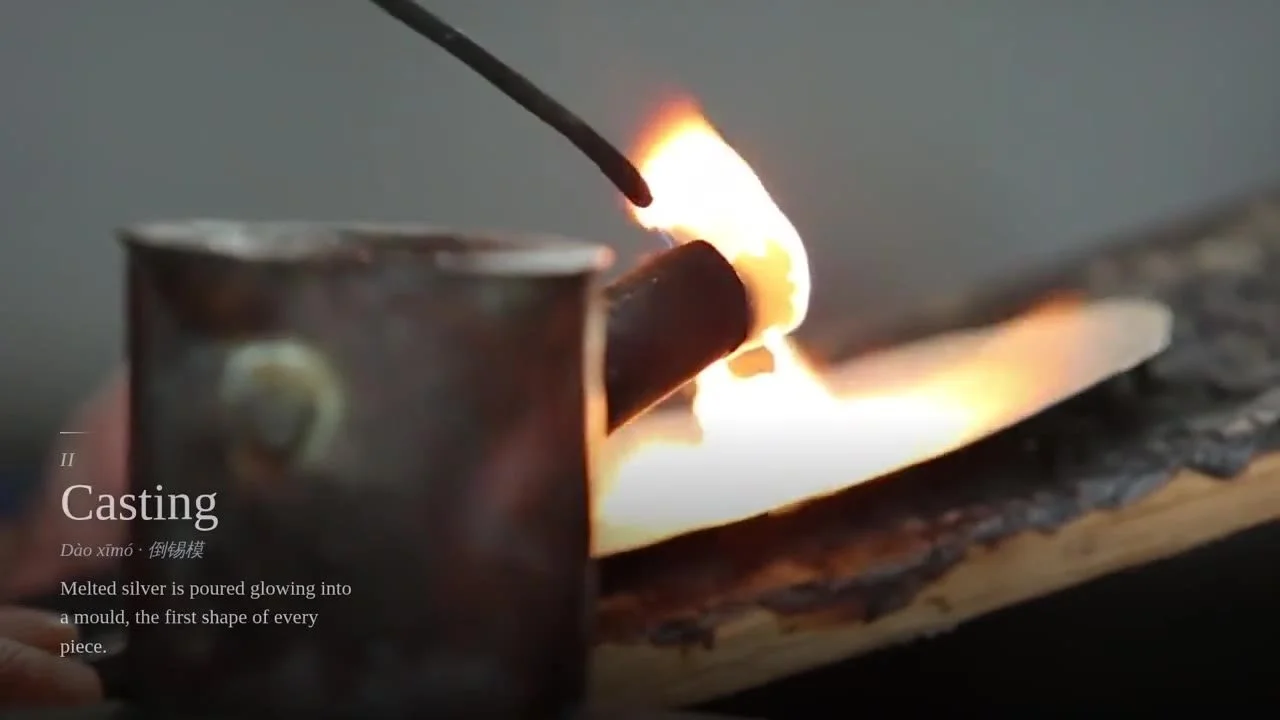
苗族银饰锻制技艺Around thirty stages between a silver ingot and a festival crown.
Miao silver is worn as a full set: headpieces, neck rings, chest plates, waist ornaments and anklets. Beyond adornment, the national record notes that silver pieces serve as precious gifts, and that the work reflects the Miao character of skill, ingenuity and warmth.
Leishan County is the primary listed home of the craft, and it is also documented in Taijiang and beyond.
Key stages
- Smelting and casting (铸炼)
- Hammering (捶打)
- Welding (焊接)
- Braiding and linking (编结)
- Washing and finishing (洗涤)
These five are the headline stages the listing names. The full process runs to about thirty steps from design to finished piece.
- Chinese name
- 苗族银饰锻制技艺
- Category
- Traditional craftsmanship (传统技艺)
- National listing
- 2006, first batch
- Project no.
- Ⅷ-40
- Primary region
- Leishan County
From the Yuanix range
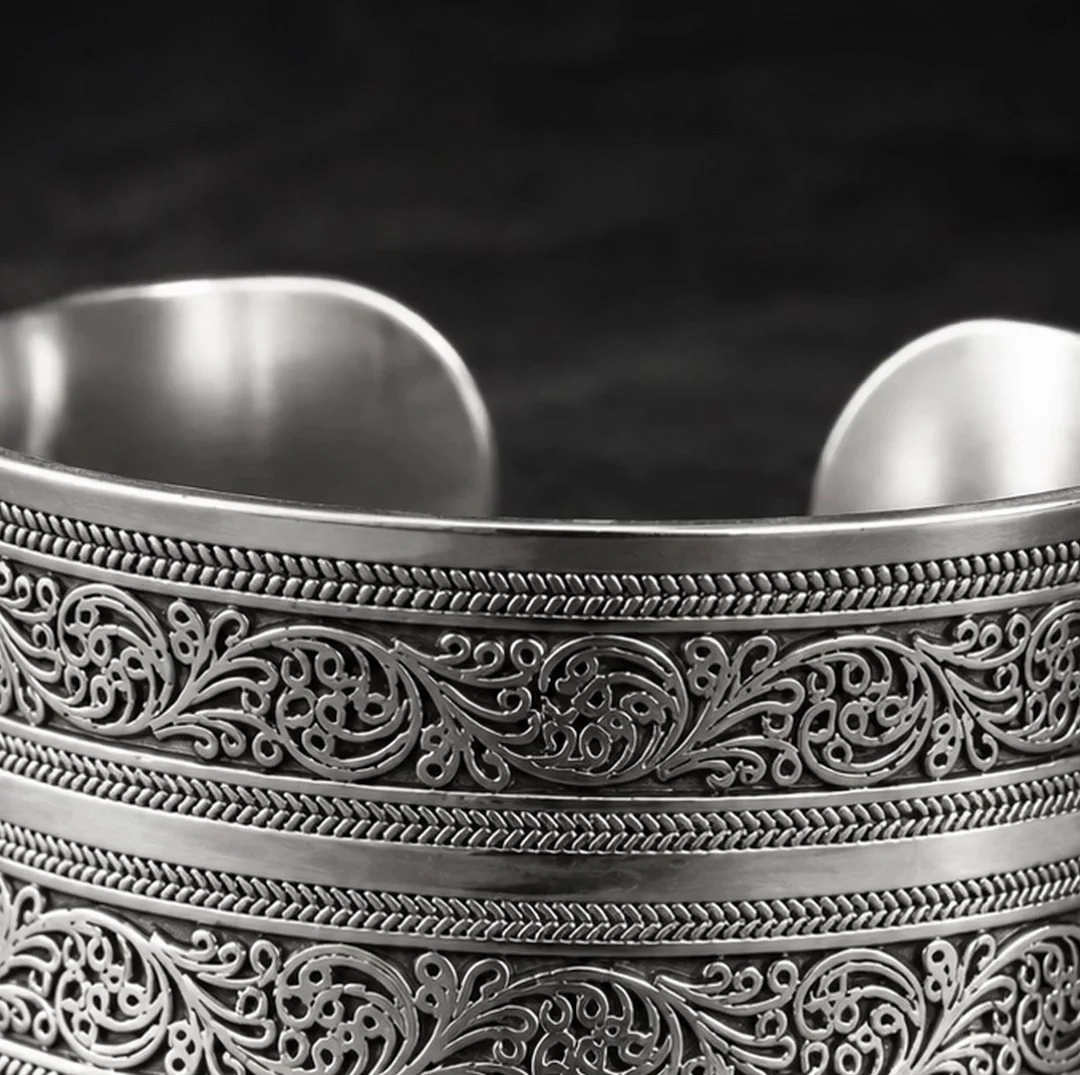
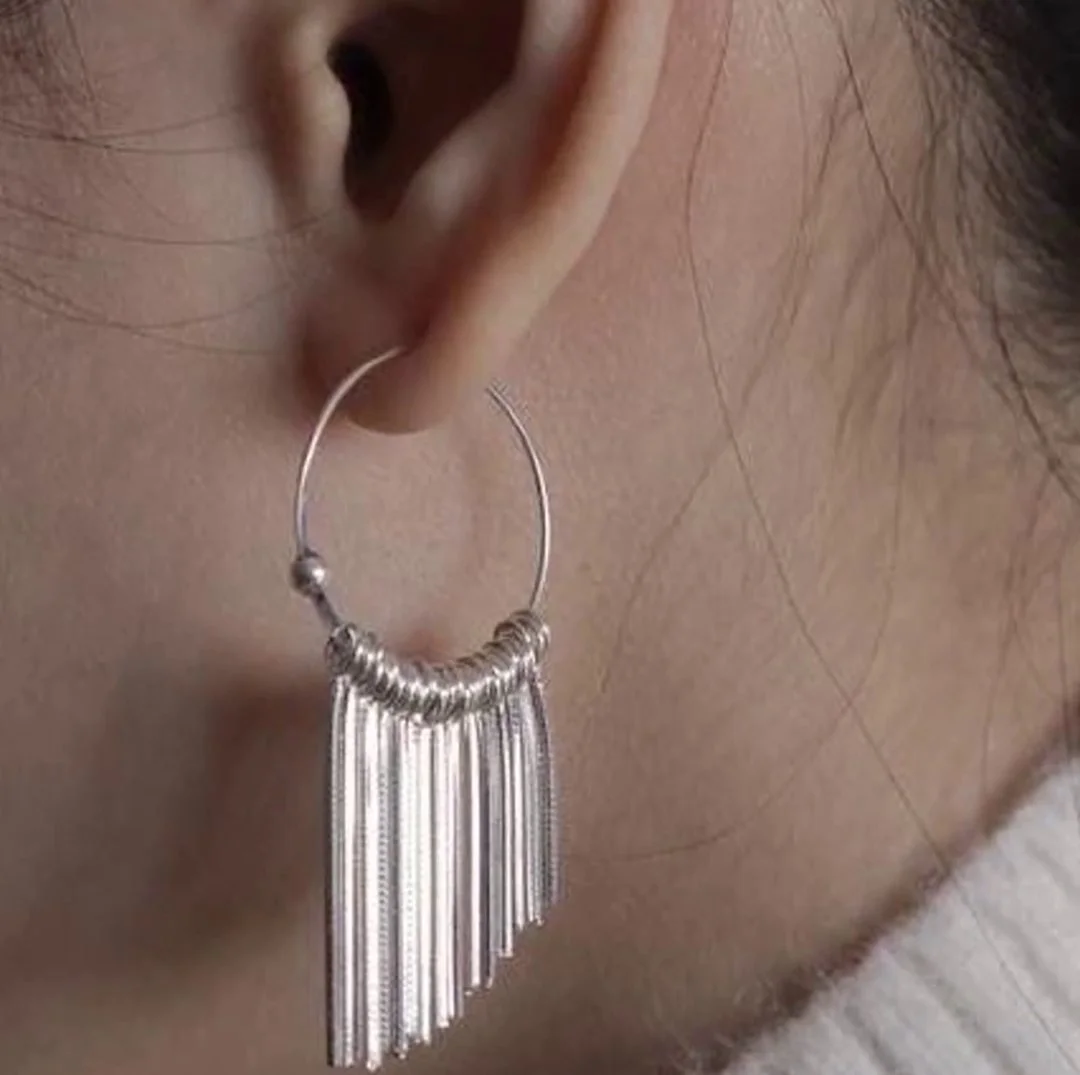
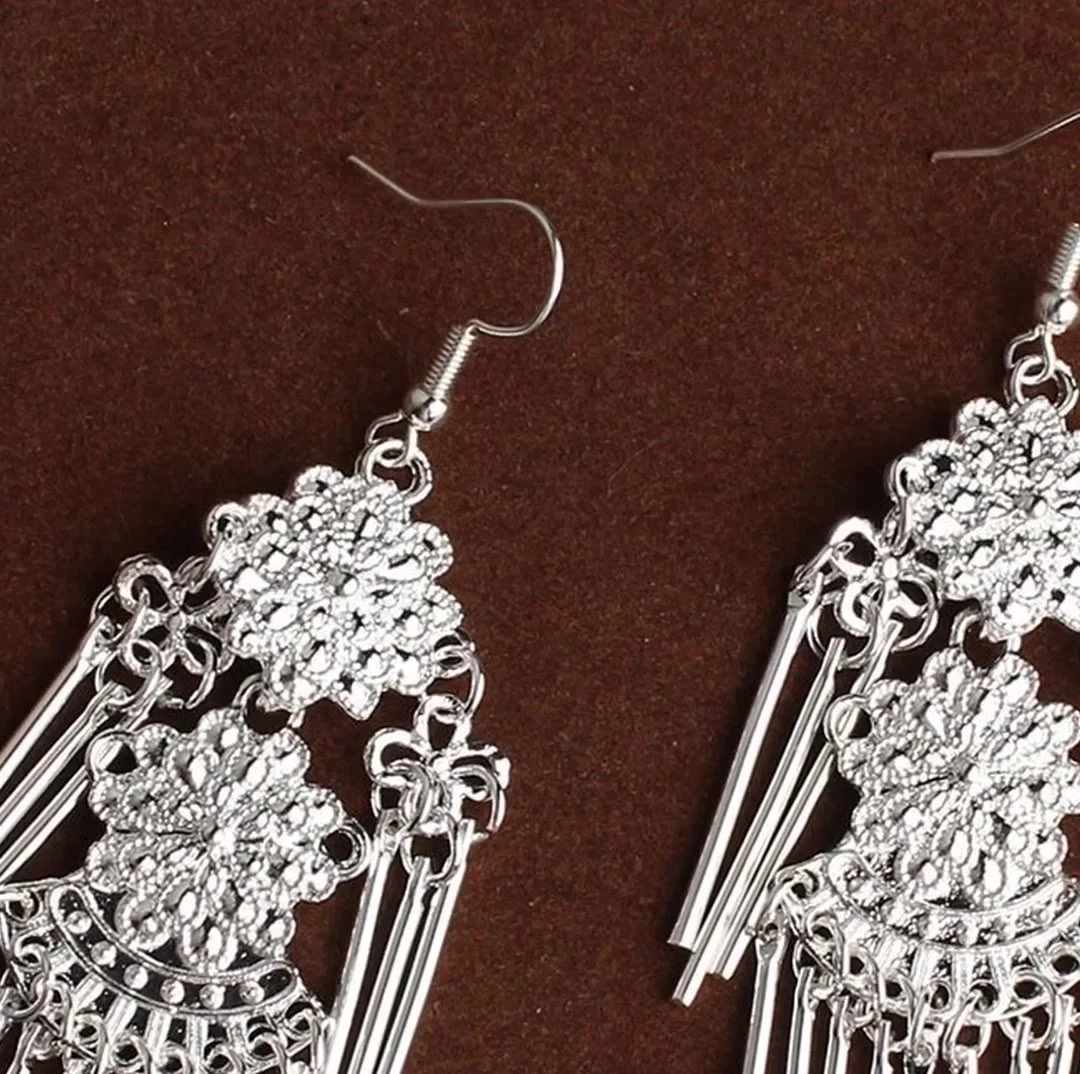
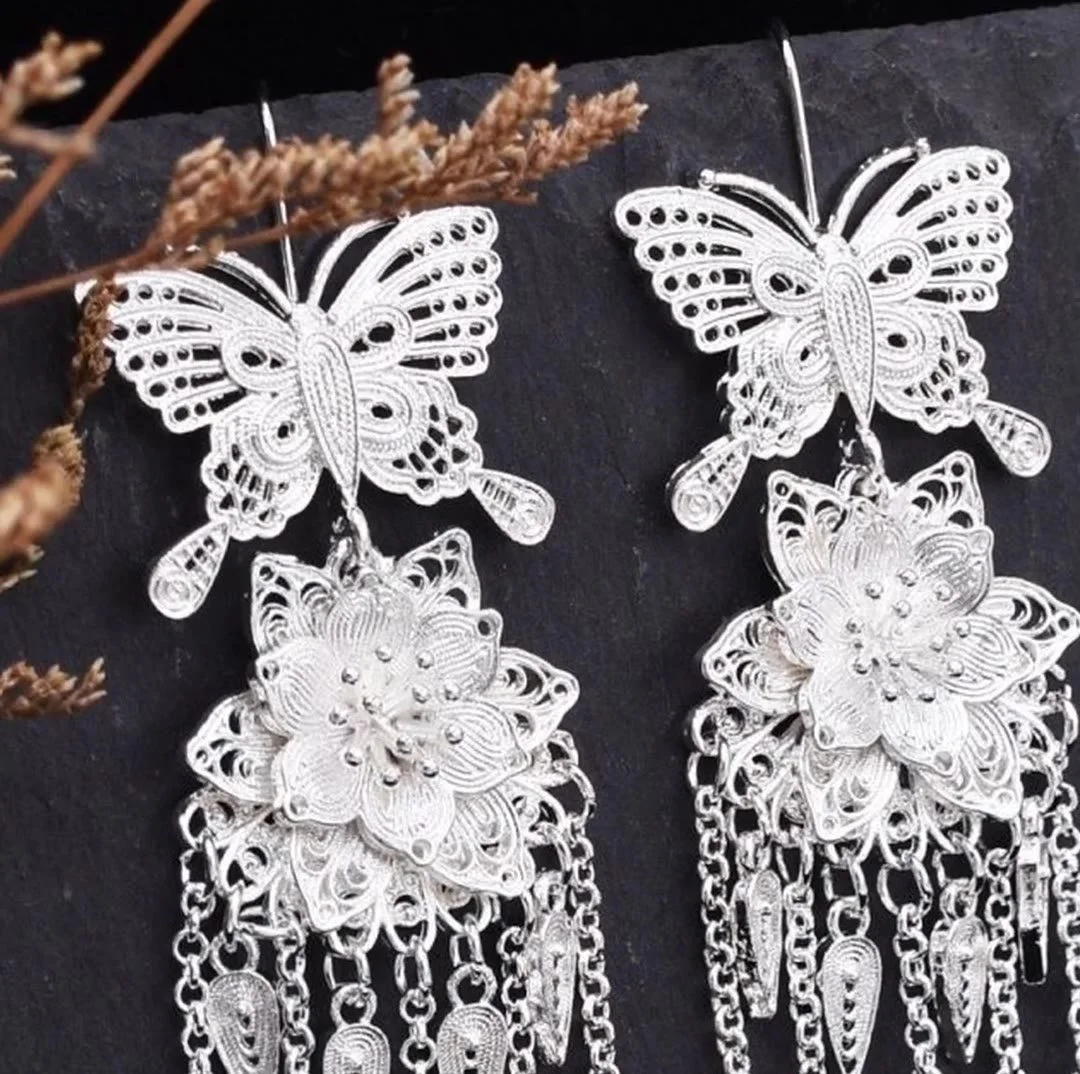
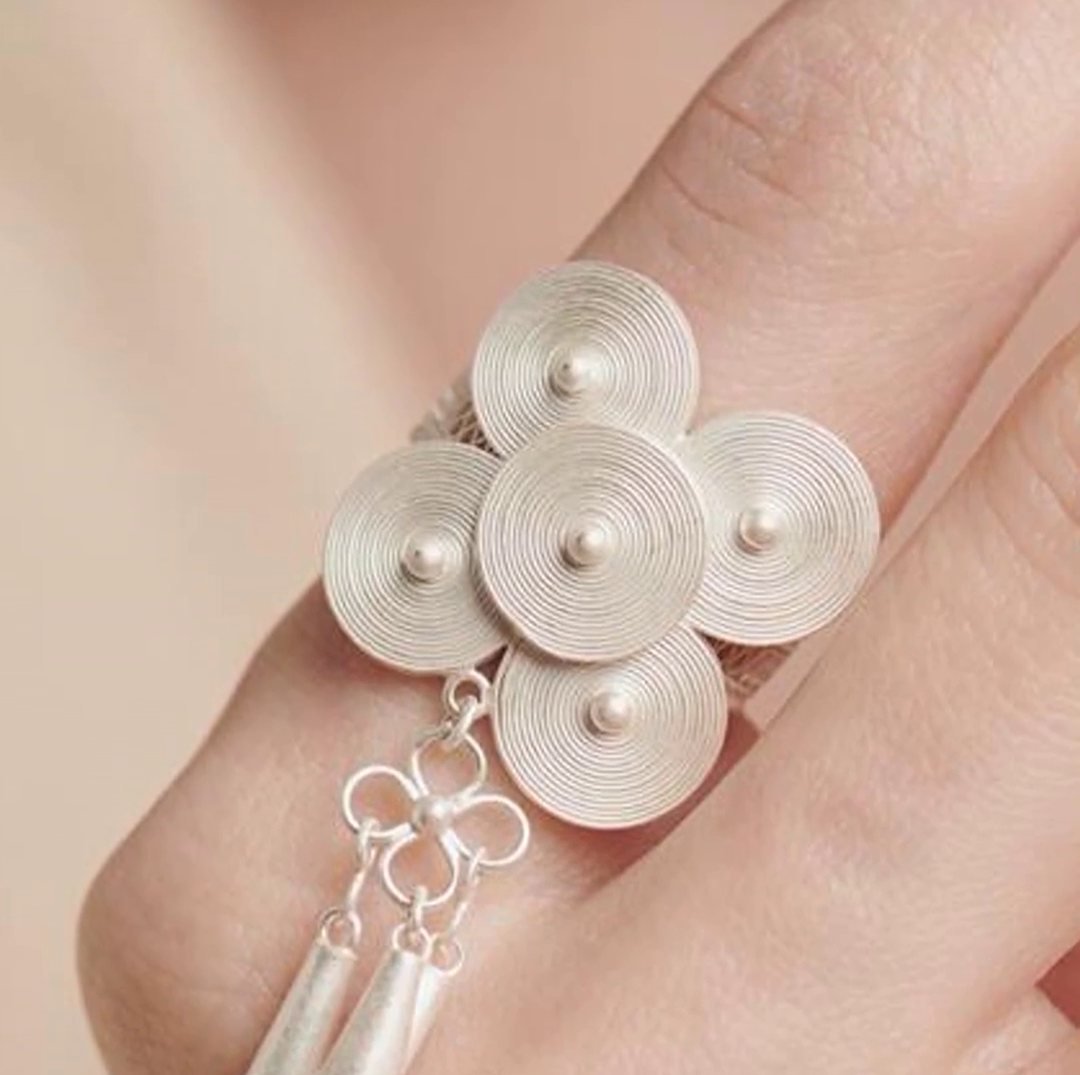
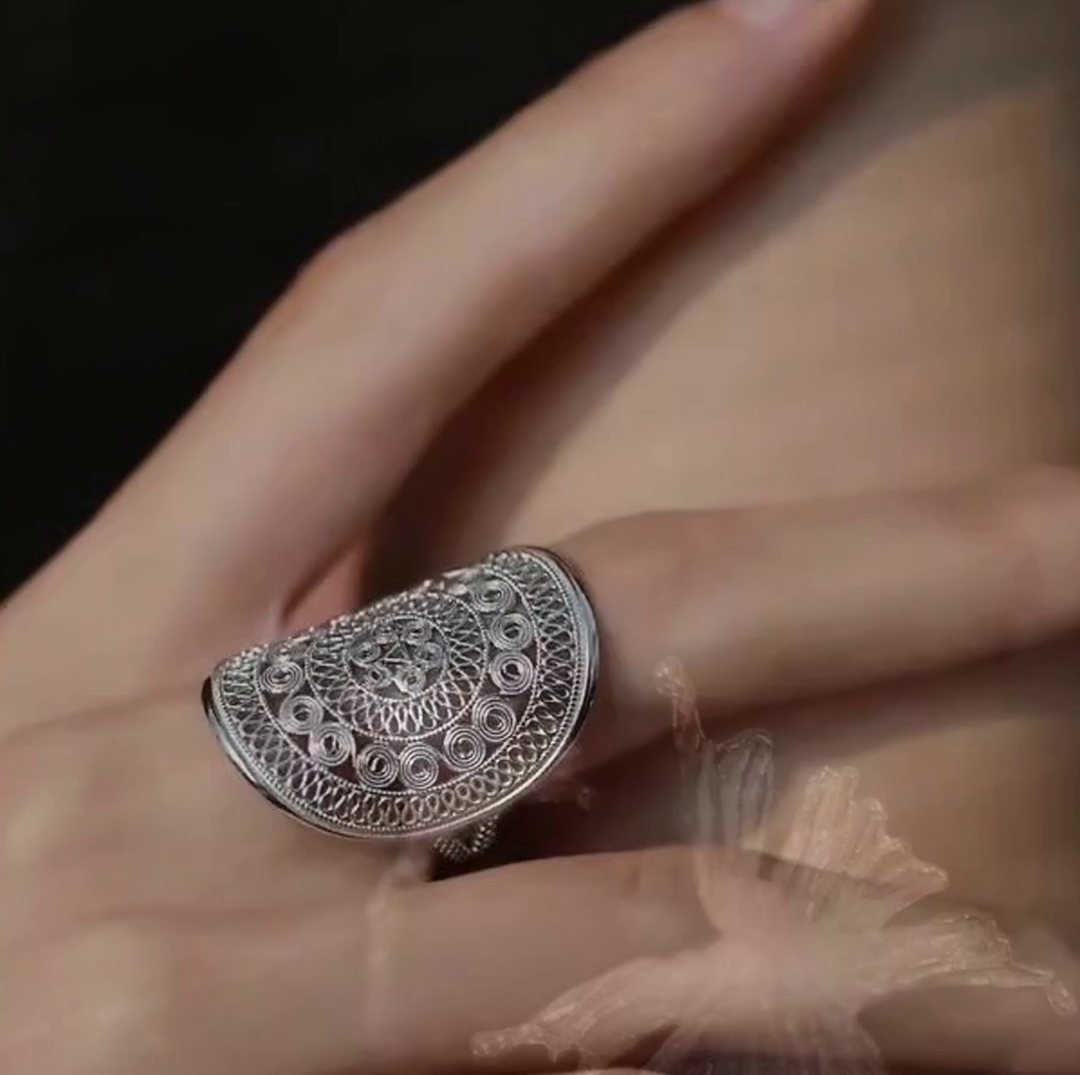
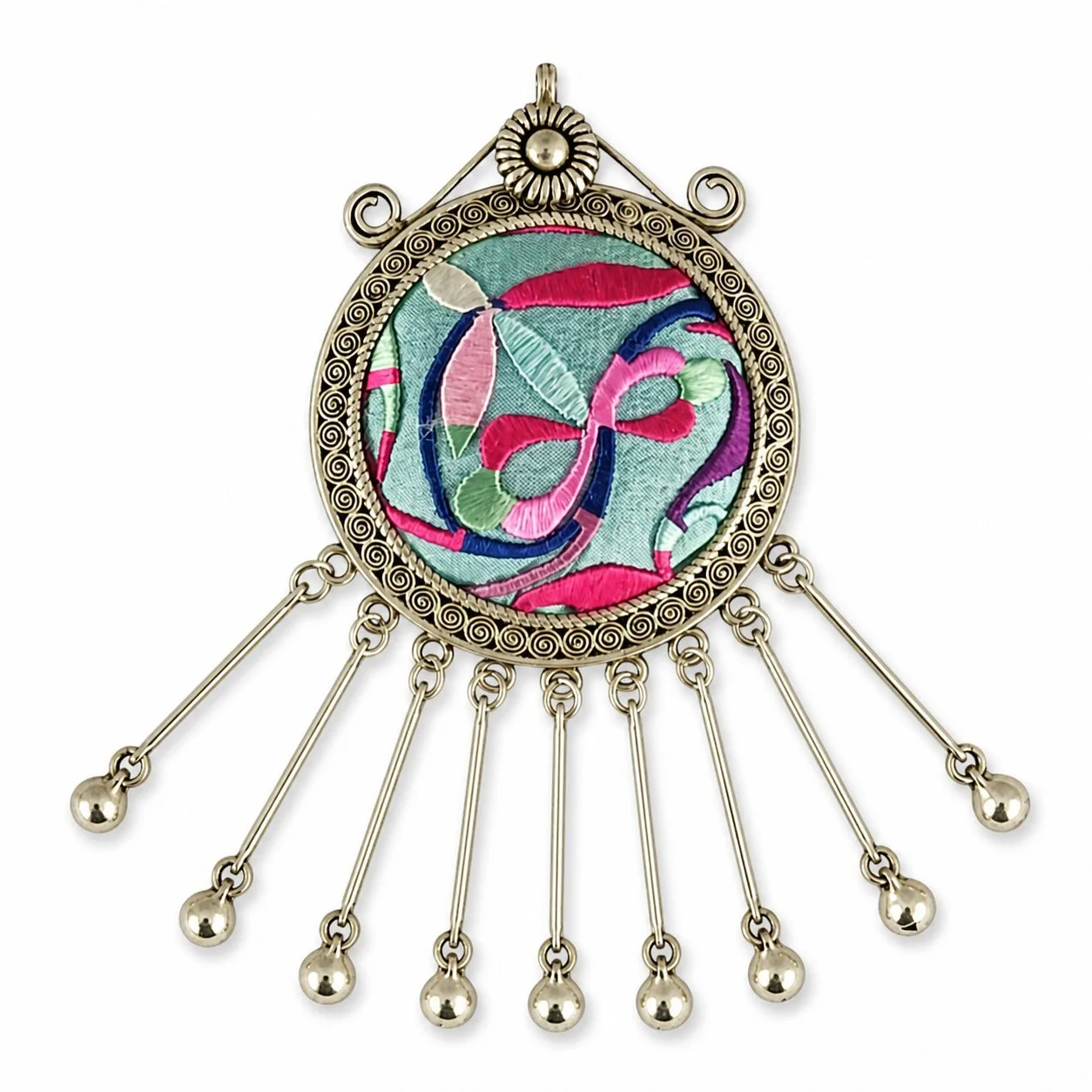
Silver and thread, worn together
In this jewellery, a silver frame holds a stitched centre.
Dalian大连
A port city on the Liaodong Peninsula, in China's north-east. Its makers work with lacquer, enamel wire, leather, glass, gourd, dough and thread. Nine crafts follow. Descriptions and photographs were supplied to Yuanix, and the age of each craft is as reported by its makers.
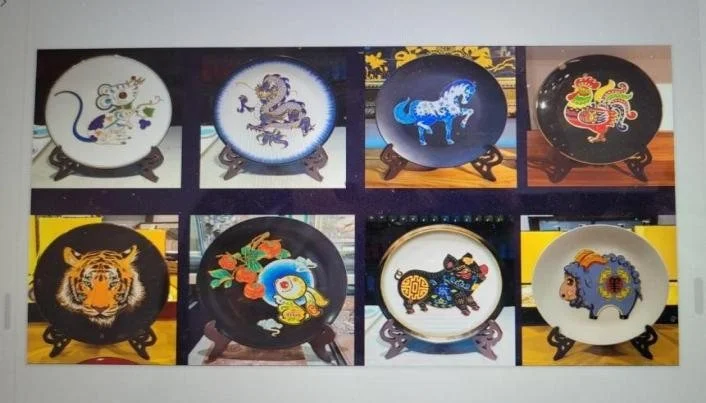
Enamel-wire painting
掐丝珐琅点螺画Palace wire-and-enamel work, moved onto a picture board.
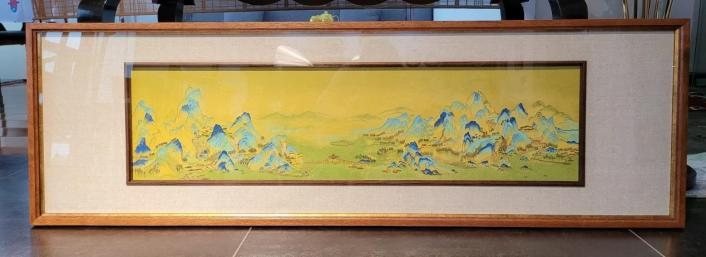
This craft descends from cloisonné (景泰蓝), which is more than 600 years old. It takes the court technique of laying wire and filling it with enamel and carries it onto a painting board, so the result is both a painting and a craft object. Gold wire draws the lines, and natural mineral glazes take the place of paint. Dalian makers add mother-of-pearl dotting, which gives the local version its own character.
- Steps
- Composition, base drawing, wire-setting (掐丝), blue filling (点蓝), film coating, shell dotting (点螺)
- Materials
- Gold wire, natural mineral glazes, shell
- Pictured
- Plates and a framed panel
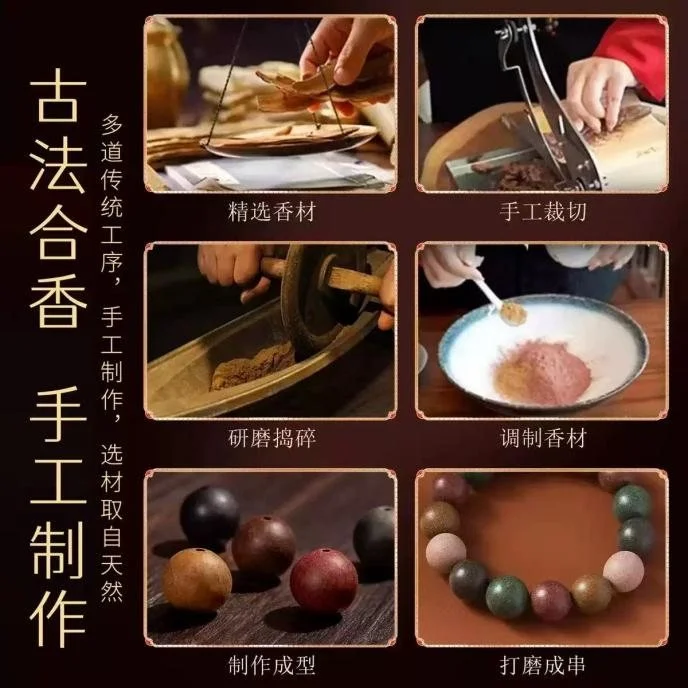
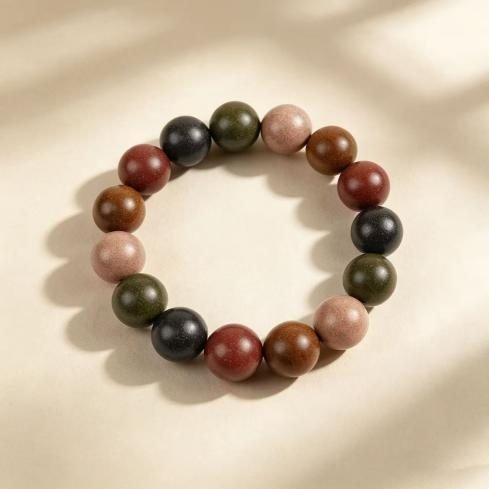
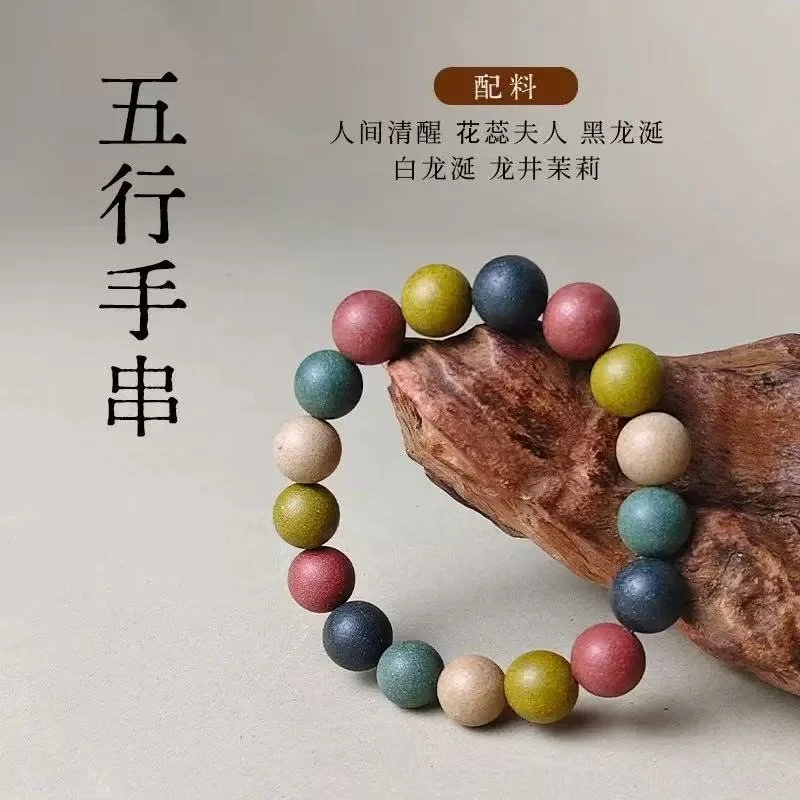
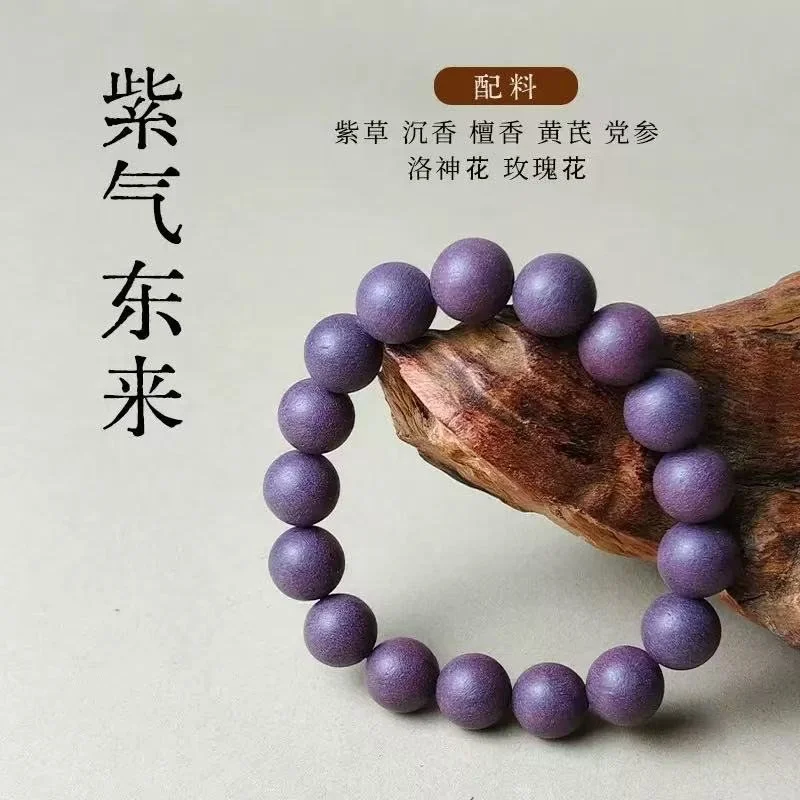
Incense beads
合香珠A scent released by the warmth of the wrist.
Blended incense, pressed into beads and worn as bracelets. The craft is rooted in the traditional incense culture that its makers trace to the Han and Tang dynasties, and it follows the classical rule of balancing ingredients as sovereign, minister, assistant and envoy (君臣佐使). Natural herbs are crushed and worked into a clay, pounded by hand a thousand times, shaped into beads and left to age in the dark. On the skin the scent is released slowly by body warmth, and it stays soft and restrained.
- Steps
- Select herbs, cut, grind, blend, shape, polish, string
- Materials
- Natural herbal ingredients
- Pictured
- Bracelets
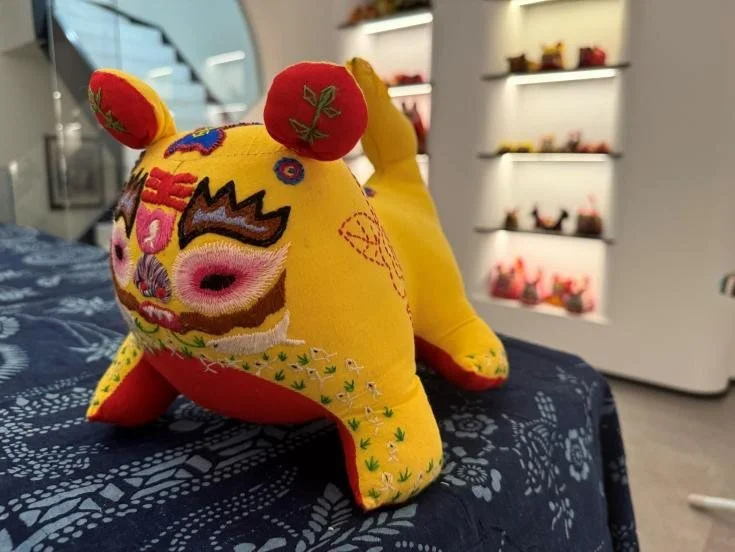
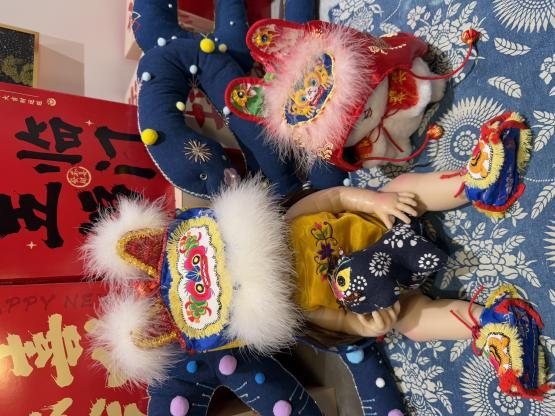
Tiger-head shoes and hats
虎头鞋帽A child's guardian, sewn in cloth.
As the name says, these shoes and hats are shaped like a tiger. In Chinese tradition the tiger stands for strength and is believed to ward off harm and bring peace, so the pieces are more than children's clothing: each carries an elder's wish for the child. The making is intricate. Tiger shoes take 22 steps, among them patching a cloth backing, cutting the pattern, stitching the sole, making the upper and embroidering the tiger's face. Tiger hats take dozens more.
- Steps
- Cloth backing, pattern cutting, sole stitching, upper making, face embroidery (22 in all for shoes)
- Pictured
- A tiger figure and dolls in tiger hats and shoes
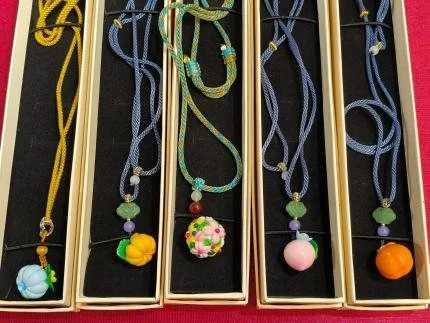
Liaonan dough figures
辽南面塑Festival bread that became small sculpture.
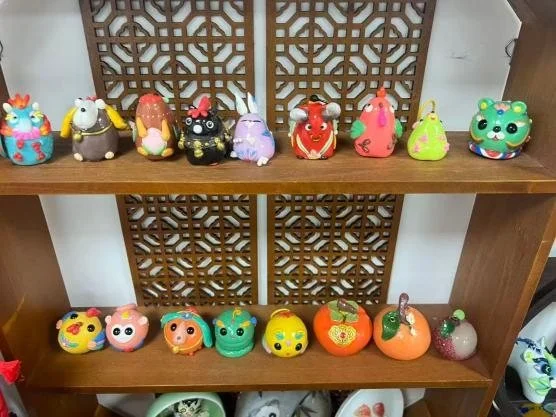
It began in the Han dynasty, when families made decorated buns and pastries for festive days. Over time this grew into a folk art, often called a living fossil of traditional art. The Liu family's Liaonan dough figures are now in their fifth generation. They join the plain warmth of northern folk custom with fine artistry. Subjects run from historical tales and myths to figures of the day, and the family's own eight-knife method (八刀法) shapes expression with only a few cuts.
- Method
- Hand-modelled dough, shaped with the eight-knife method
- Generations
- Five, in the Liu family
- Pictured
- Fruit-shaped pendants and painted animal figures
Jinzhou leatherwork
金州皮艺Carved, painted and stitched, hide by hide.
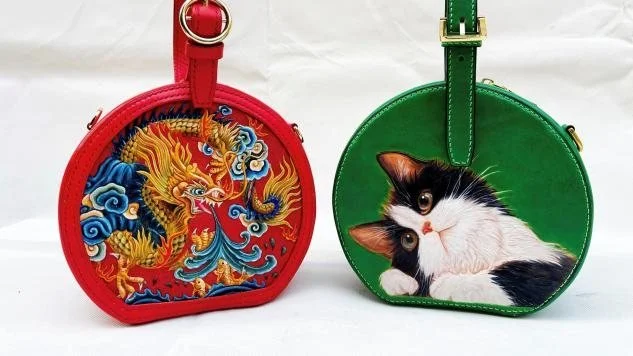
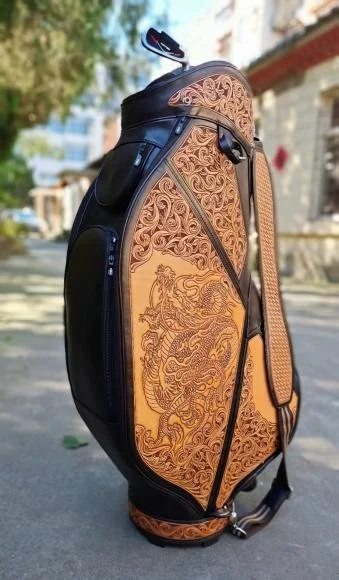
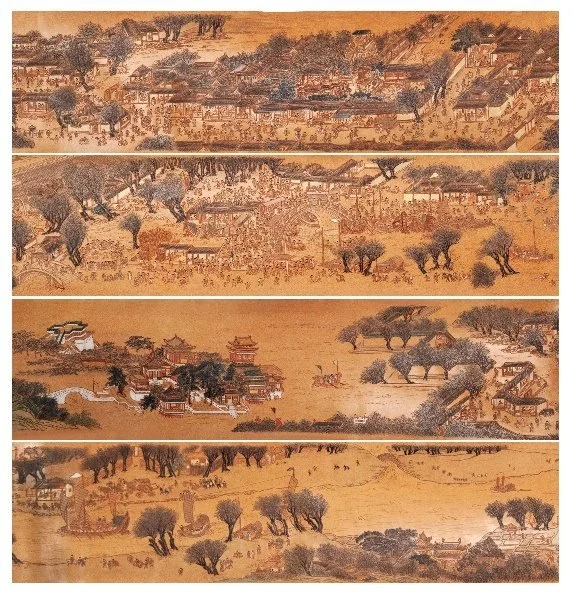
Handmade leatherwork from the Jinzhou area, which its makers trace to the 14th century. By the Qing dynasty leather processing was well developed there. Work starts with good cowhide and sheepskin and passes through well over a hundred steps: choosing the hide, making the pattern, cutting, laying the base colour, hand painting, carving, burnishing, hand stitching and sealing the edges. The result is leather goods with a clear Jinzhou character.
- Materials
- Cowhide and sheepskin
- Steps
- Select, pattern, cut, colour, paint, carve, burnish, stitch, seal edges
- Pictured
- Round bags, a golf bag and engraved panels
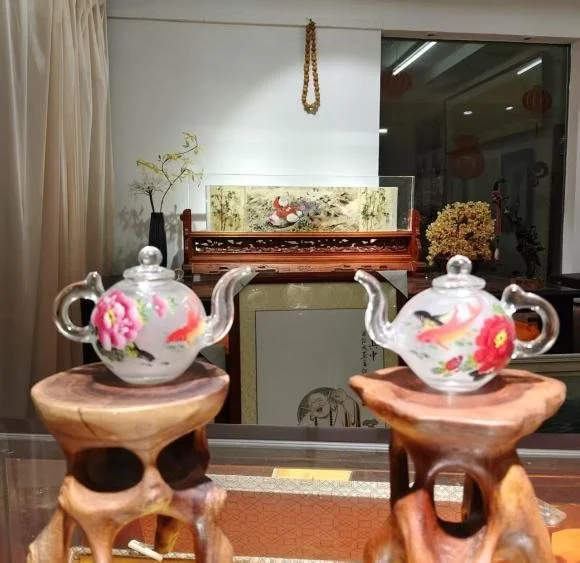
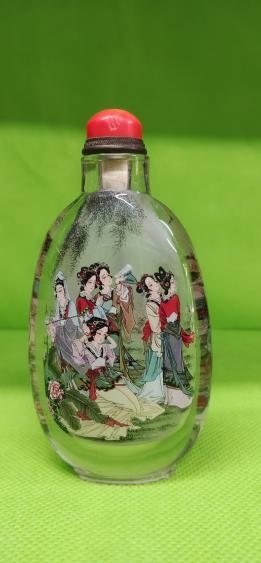
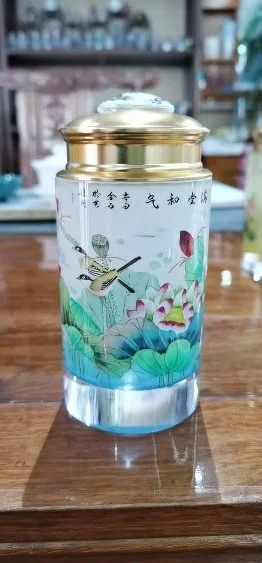
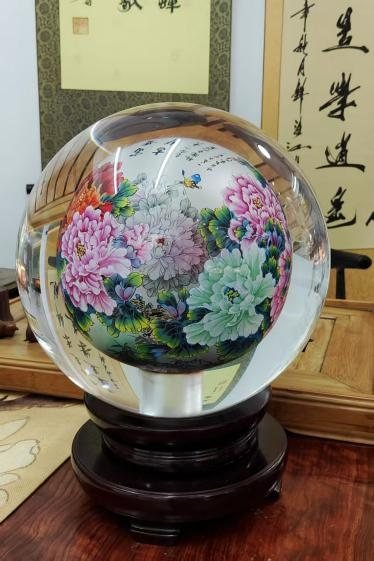
Inside-painted glass
周氏内画鼻烟壶Painted from the inside, through a narrow neck.
Inside-painted snuff bottles began in the Qing dynasty. They join Chinese painting and calligraphy with the form of the snuff bottle, an art its makers call unique to China. Snuff is no longer taken, but the bottles live on as rare handicrafts, and the making is the marvel. A specially bent brush goes into the bottle and moves across the inner wall, painting figures, flowers and insects, even whole landscapes, in reverse so the picture reads from outside. The Zhou family's work is among Dalian's heritage crafts.
- Tool
- A specially bent brush
- Pictured
- A snuff bottle, teapots, a jar and a crystal sphere
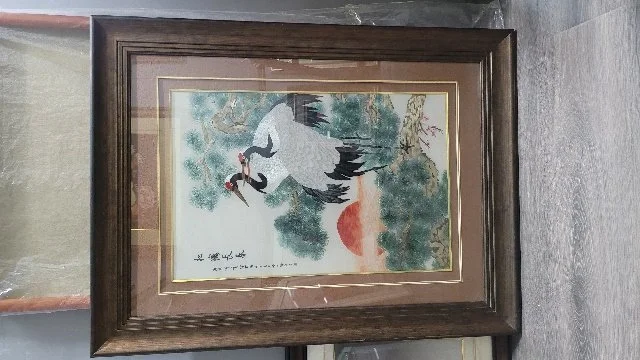
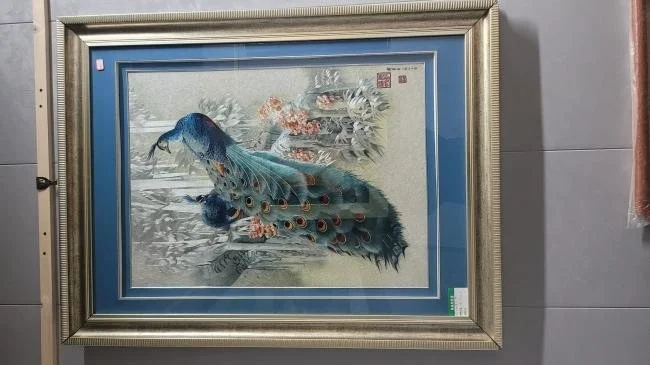
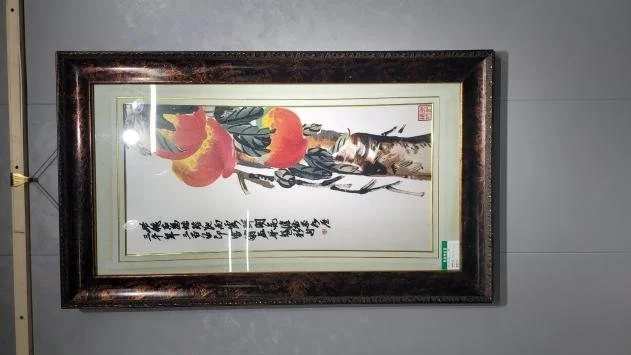
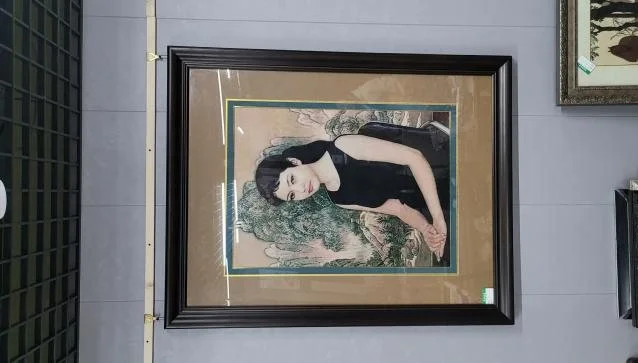
Liao embroidery
辽绣A needle for a brush, thread for colour.
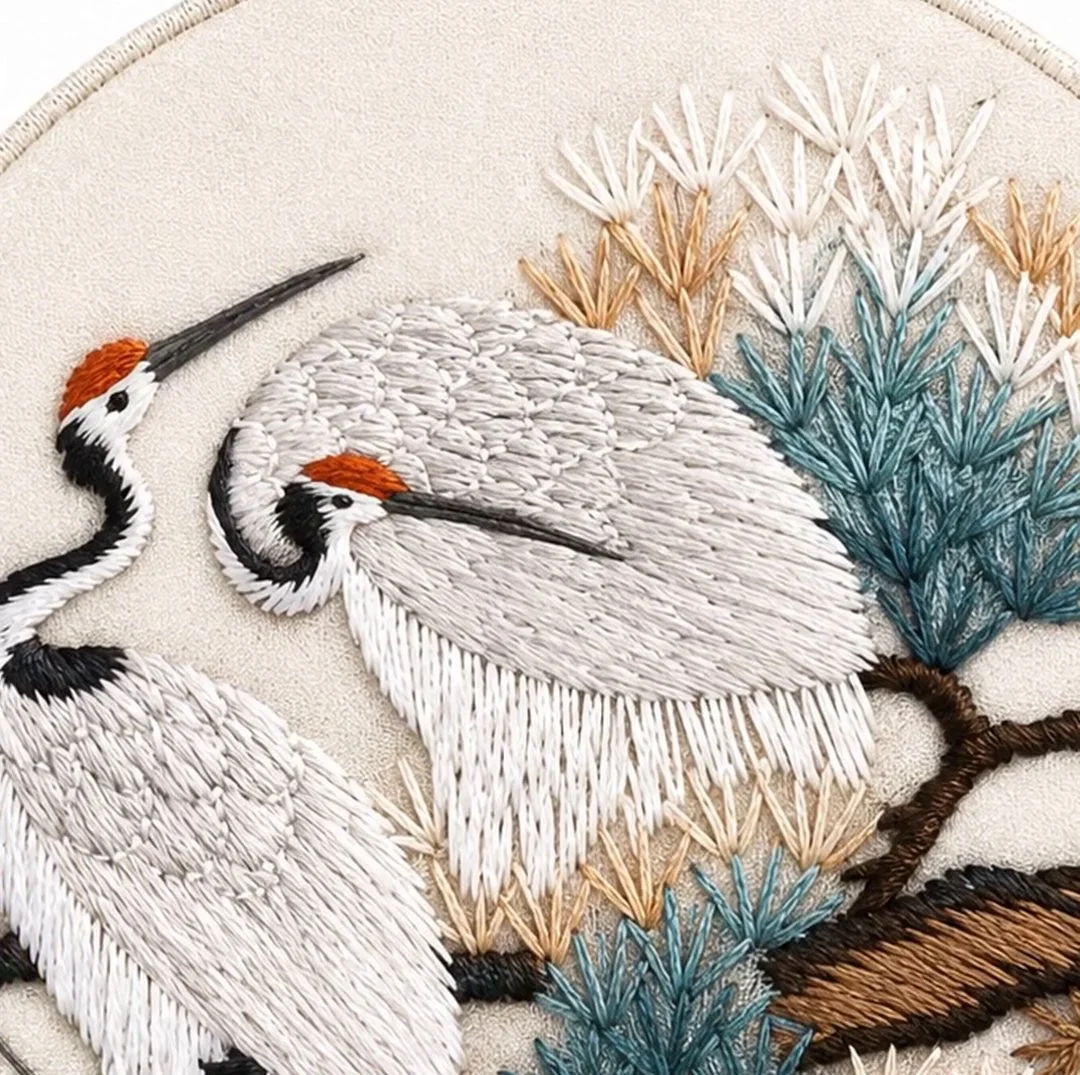
Its makers trace Liao embroidery back more than 2,000 years. It blends the embroidery of the many peoples of the north-east and spread widely across the region from the 1950s and 60s. They count it among China's ten major embroidery types and see it as the northern representative. It works with a horizontal needle direction, twisted thread and the shoulder-pole stitch (扁担针), and blends colour smoothly, bringing the depth of Western painting to needle and thread. From a distance the surface has the feel of an oil painting, and it excels at lifelike subjects.
- Stitches
- Horizontal stitching, twisted thread, shoulder-pole stitch
- Pictured
- Framed pictures of cranes, a peacock, peaches and a portrait
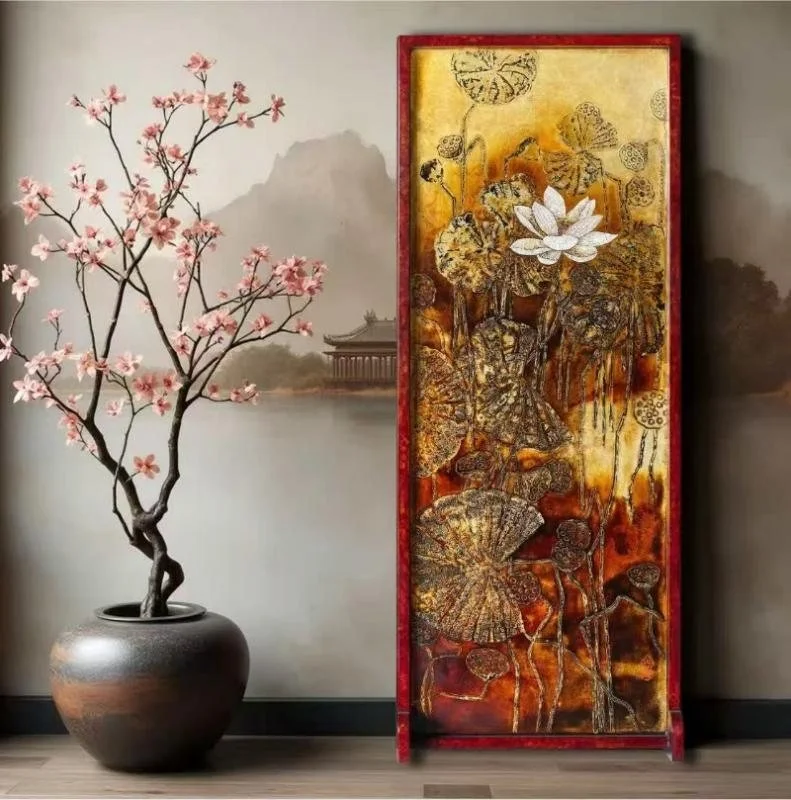
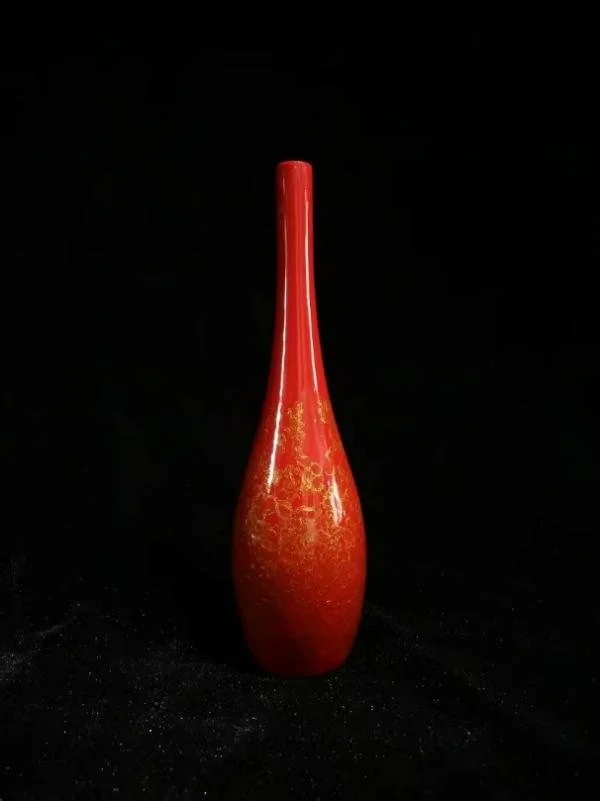
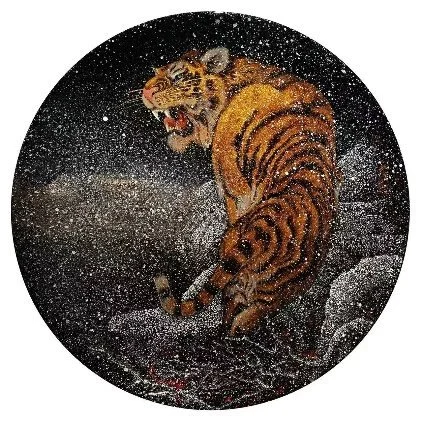
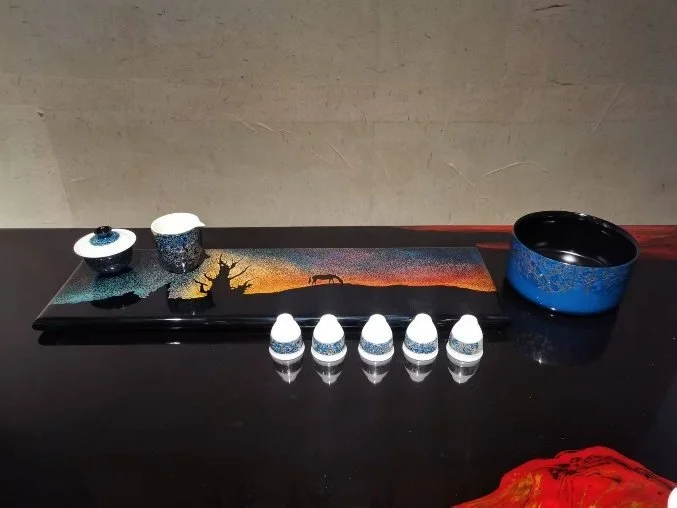
Natural lacquer
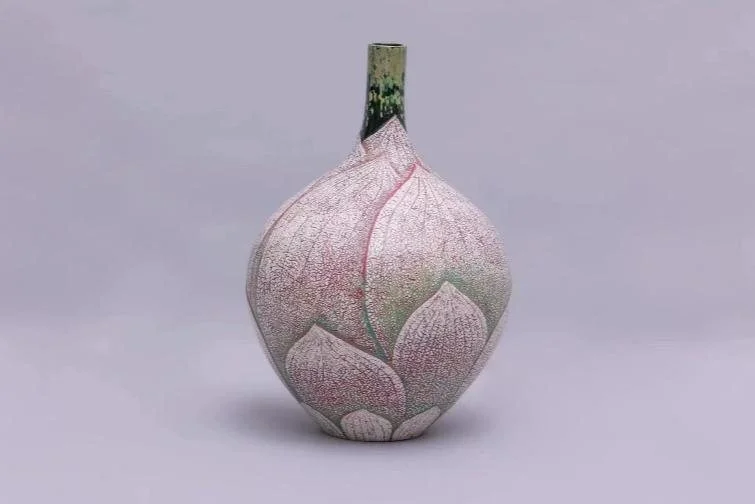
大漆A hundred li, a thousand cuts, one jin of lacquer.
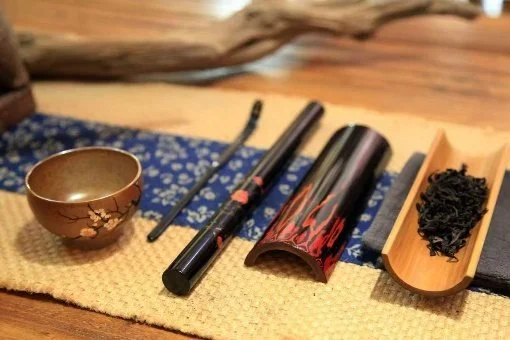
That saying is how the trade counts the cost of natural lacquer, the sap of the lacquer tree. Dalian makers pair it with gold, silver, eggshell and shell, and keep to old recipes: glutinous rice flour to mix the lacquer for cloth backing, and glue boiled from fish bladder and bone. The craft covers both hollow-body methods (阴脱 and 阳脱) and more than 300 decoration techniques.
Thin coats are laid again and again in a humid room at about 20 °C, and a piece takes months or years. Makers say the finished lacquer is hard and light, warm in colour, withstands the swing from boiling to freezing, and does not warp or peel. They pair the old technique with modern lacquer-painting ideas to make everyday objects such as tea sets and jewellery, and place it in tea and incense settings.
- Materials
- Natural lacquer, gold, silver, eggshell, shell
- Method
- Thin coats, repeated over months to years
- Techniques
- Two hollow-body methods, 300+ decoration techniques
- Pictured
- A panel, vases, a tea tray, tea tools and a round plaque
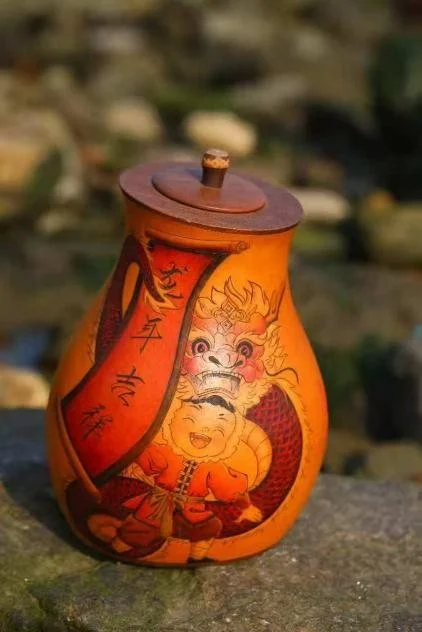
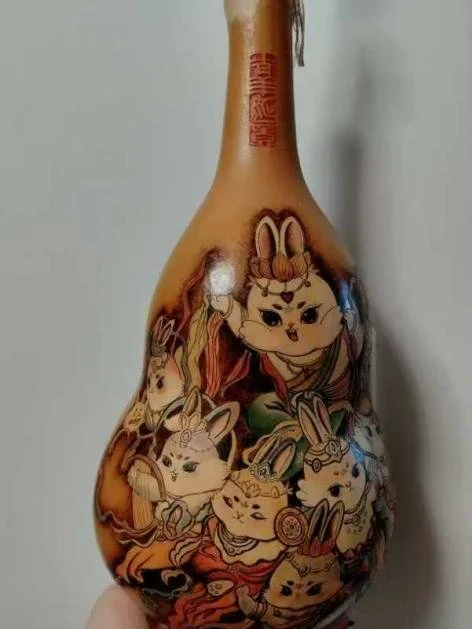
Gourd pyrography
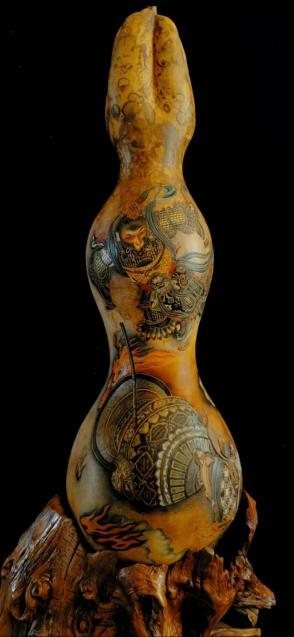
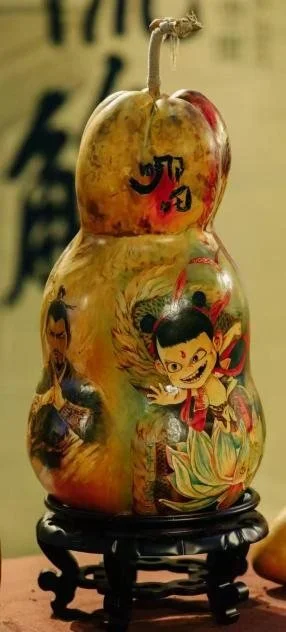
葫芦烙刻Fire for a brush, a gourd for paper.
Gourd pyrography goes back to the Han dynasty and matured in the Ming and Qing, when scholars' taste entered the craft and it became both useful and artistic. Its motto is fire as the brush and the gourd as paper. Ripe gourds are washed, dried in the shade and sanded. The design is drawn to follow the curve, then burned in with a temperature-controlled electric pen or a traditional fire iron, using heat and pressure to draw lines and shade. The edge is sanded and sealed with clear varnish or beeswax against damp, and complex pieces add painting or carving.
- Tools
- A temperature-controlled electric pen, or a traditional fire iron
- Finish
- Clear varnish or beeswax
- Pictured
- Gourds burned and painted with figures, a dragon and rabbits
The crafts at a glance
Guizhou · on the national list
| Craft | Method | Core materials | Home regions | Listed |
|---|---|---|---|---|
| Miao Embroidery苗绣 | Needlework, including stacked silk-ribbon embroidery | Silk thread and ribbon, cloth | Leishan, Taijiang, Jianhe, Huaxi | 2008 · Ⅶ-22 |
| Miao Batik苗族蜡染技艺 | Wax resist, drawn with a copper stylus | Beeswax, indigo, hand-woven cloth | Danzhai, Anshun, Zhijin | 2006 · Ⅷ-25 |
| Fengxiang Dyeing枫香印染技艺 | Resin-and-fat resist, applied by brush | Fengxiang resin, cattle fat, indigo | Huishui, Majiang | 2008 · Ⅷ-108 |
| Miao Silver苗族银饰锻制技艺 | Casting, hammering, welding, braiding | Silver | Leishan, Taijiang | 2006 · Ⅷ-40 |
Dalian · as documented by the makers
| Craft | Method | Core materials | Pieces pictured |
|---|---|---|---|
| Enamel-wire painting掐丝珐琅点螺画 | Wire-setting, enamel filling, shell dotting | Gold wire, mineral glazes, shell | Plates, framed panel |
| Incense beads合香珠 | Crushed, clay-mixed, hand-pounded, shaped, aged | Natural herbal ingredients | Bracelets |
| Tiger-head shoes and hats虎头鞋帽 | Cut, stitched and embroidered by hand; 22 steps for shoes | Cloth, thread | Tiger figure, hats and shoes on dolls |
| Liaonan dough figures辽南面塑 | Hand-modelled, eight-knife method | Dough | Pendants, painted figures |
| Jinzhou leatherwork金州皮艺 | Carved, painted, hand-stitched | Cowhide, sheepskin | Round bags, golf bag, panels |
| Inside-painted glass周氏内画鼻烟壶 | Painted in reverse on the inner wall with a bent brush | Glass, pigment | Snuff bottle, teapots, jar, sphere |
| Liao embroidery辽绣 | Horizontal stitch, twisted thread, shoulder-pole stitch | Thread on cloth | Framed pictures |
| Natural lacquer大漆 | Thin coats built up over months or years | Natural lacquer, gold, silver, eggshell, shell | Panel, vases, tea tray, tea tools |
| Gourd pyrography葫芦烙刻 | Burned line and shading, then sealed | Ripe gourds, varnish or beeswax | Decorated gourds |
What this means for a European buyer
Provenance you can document
A national listing gives each craft an official name, number, home region and method. That is the backbone of a credible product story, and it gives your buyers something specific to read and verify.
Compliance by category
Textiles, dyed cloth and silver jewellery each come with their own EU requirements for labelling and safety. Yuanix guides you through the rules that apply to your specific product before it ships.
Handwork sets the pace
These are made cloth by cloth and piece by piece. Planning around real lead times protects the makers and keeps your delivery promises realistic.
Bringing a heritage craft to Europe?
Yuanix Consulting helps Chinese heritage-craft brands with EU market access, platform onboarding, cross-border logistics and compliance, and helps European buyers and corporate clients source them with documented provenance.
WeChat: fengdashu1993
Email: info@yuanix.eu